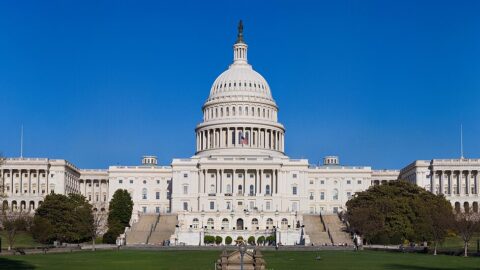

On Tuesday, American voters will decide 35 Senate races and all 435 seats in the House of Representatives, and with them, control of Congress for the final two years of President Donald Trump’s term. Republicans currently hold a 53 to 47 majority in the Senate and a narrow edge in the House, so the election is not a single national verdict but a collection of close contests, each of which could tip a chamber.
The fight for control of Congress has dominated the final weekend, with candidates making closing appeals in the states and districts that polling shows are closest. President Trump is scheduled to campaign in Kansas and Iowa on Sunday, after spending Saturday at his Mar-a-Lago club in Florida, according to reports. Democratic candidates, meanwhile, are trying to hold their own coalition together in states such as Michigan, where internal divisions have added a complication to the closing stretch, according to weekend reporting.
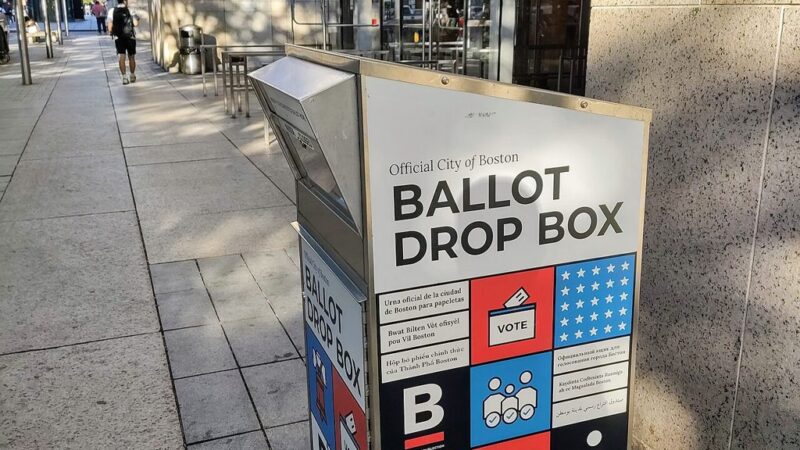
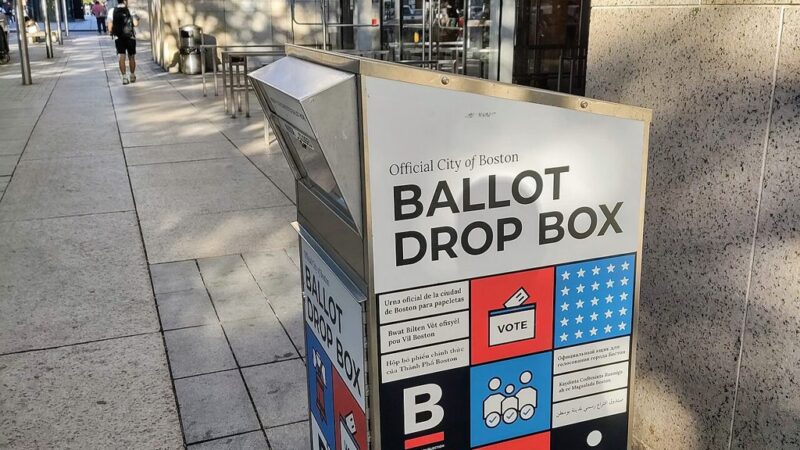
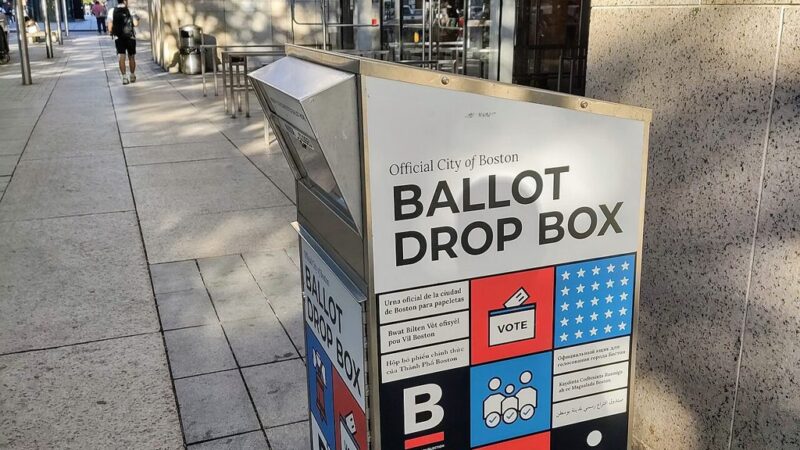
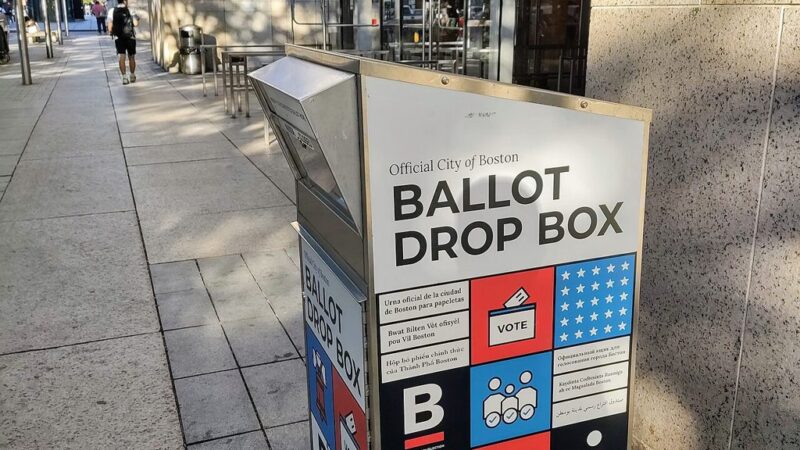
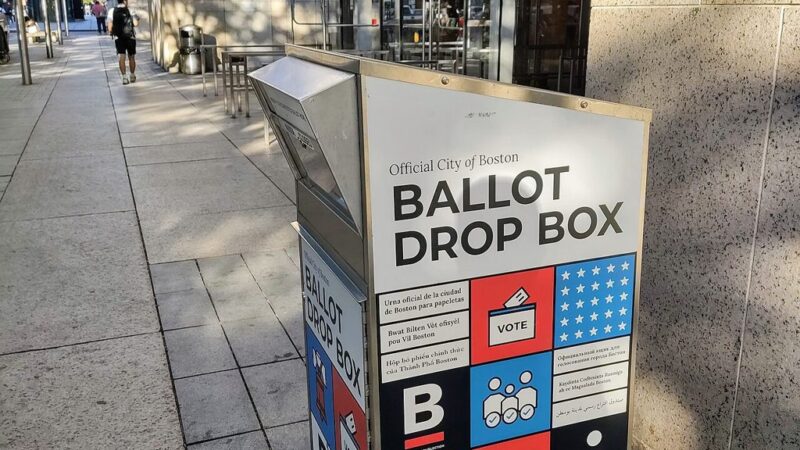
More than 51 million Americans have already voted, a midterm record, according to researchers tracking early voting. That figure means a large share of the electorate has already decided, and the final weekend is aimed at the voters who have not yet cast a ballot, together with efforts to make sure postal ballots already sent are returned in time. In close races, the difference between winning and losing a chamber could come down to turnout in a handful of districts on Tuesday itself.
Why the Senate map matters most
The Senate is the harder chamber for Democrats to win, because only a third of seats are contested and the map includes states that lean Republican. A single close race, such as Alaska, where the Democratic challenger faces the Republican incumbent, can therefore carry outsized importance. The House, by contrast, is decided across all 435 districts at once, so a small national swing can move dozens of seats, even if no single district dominates the story.
That asymmetry shapes campaign strategy. Senate campaigns concentrate money and visits in a few states, while House campaigns spread across suburban and exurban districts where independent voters decide outcomes. Both parties have spent the final weekend on turnout, because in a midterm, the party that brings its supporters to the polls usually wins the close races.
What happens after Tuesday
Control of Congress will determine what legislation can pass, what investigations proceed, and how much leverage the president has in his final two years. It will also affect trade policy, since Congress can pressure or constrain tariff decisions, and it will shape the environment in which Canada and other partners plan their own trade strategies. The results may not all be known on Tuesday night, especially in close races where postal ballots are still being counted, but the direction of the night will be clear from the first competitive Senate calls and the early House returns.
For voters who have not yet voted, the message from both parties is the same, even if the policies differ: Tuesday is the last chance to join the record number who have already cast a ballot, and in a year of close races, that ballot may decide a chamber.