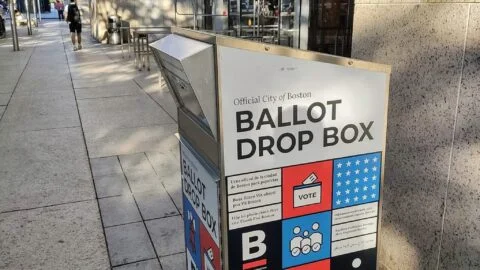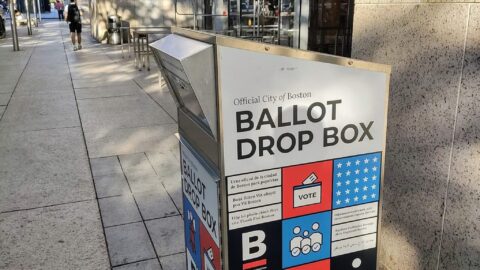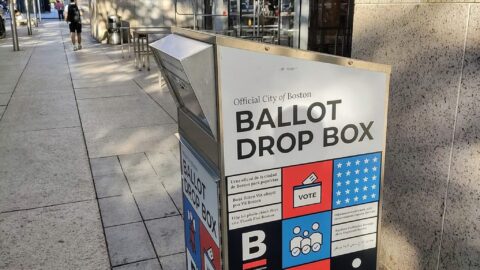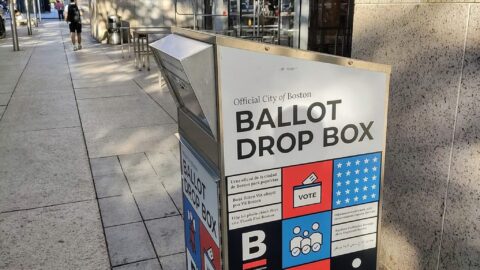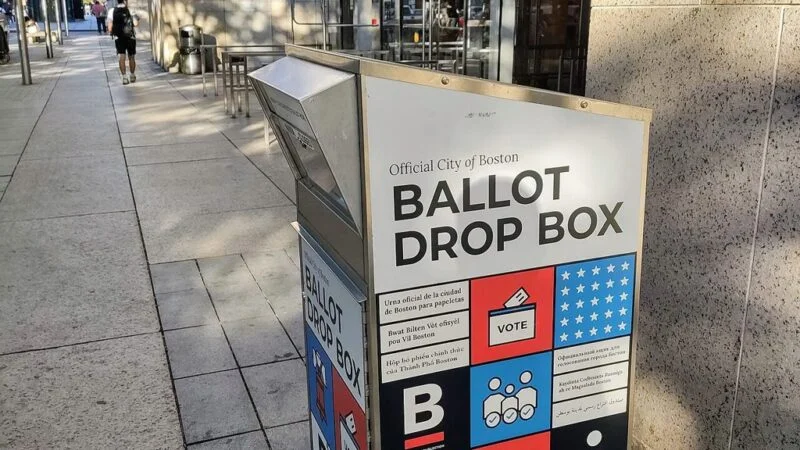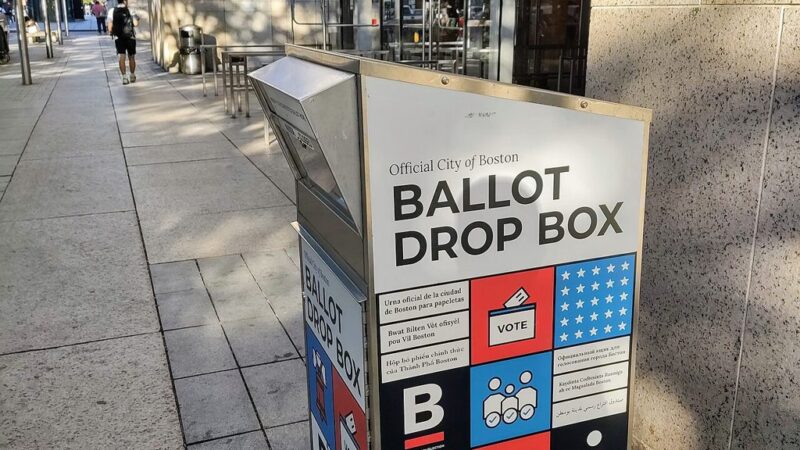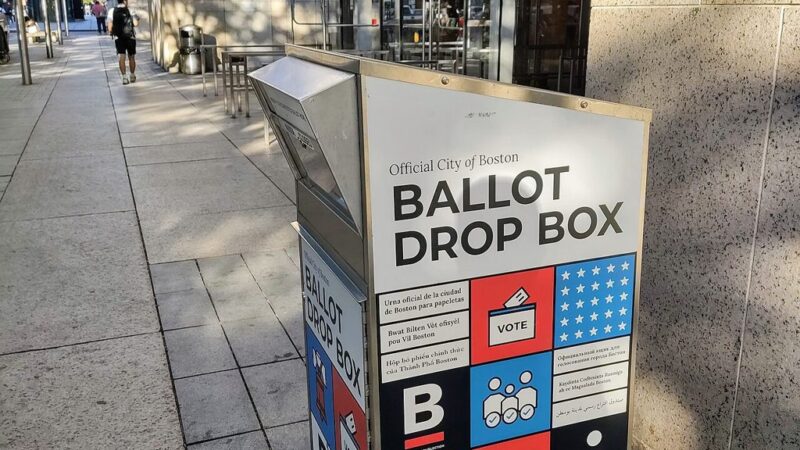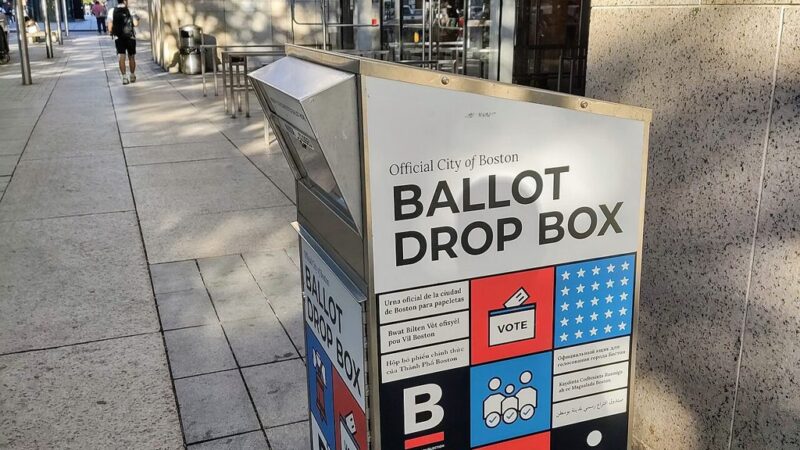
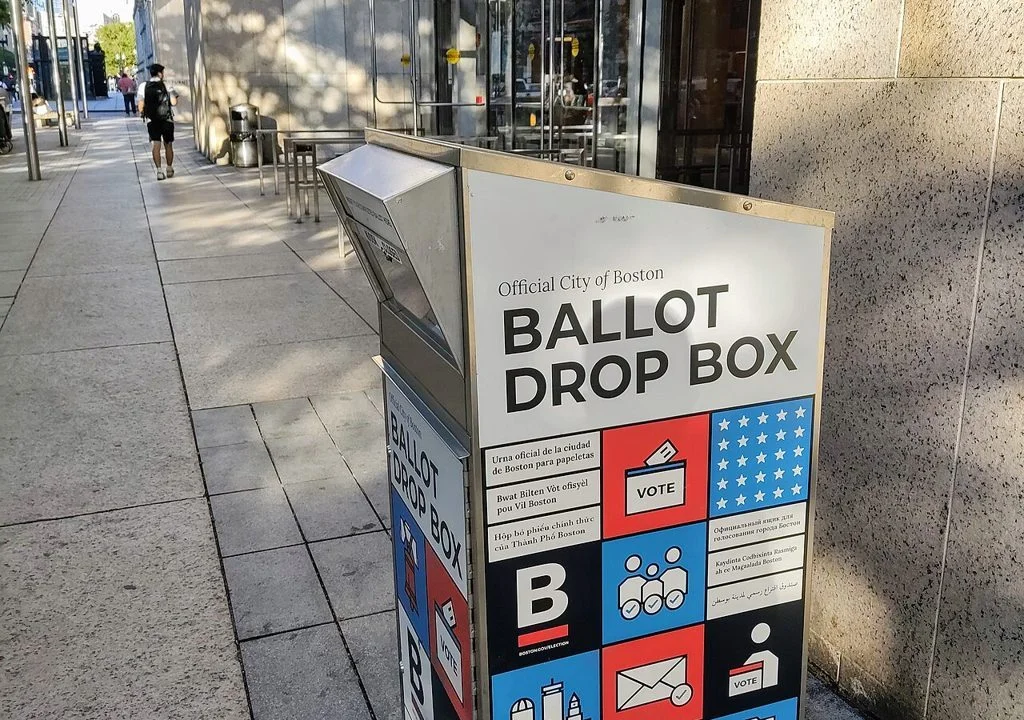
The 2026 early vote surge is not evenly spread, and the unevenness is where the Senate will be decided. More than 30 million Americans had voted early by October 27, according to the University of Florida Election Lab, and the total reached 38,899,002 across 47 reporting states by October 29. The national figure is impressive, but the battleground figures are more important, because they show where both parties are mobilising hardest with five days left.
An Associated Press analysis of data through October 20 found early voting in Texas up 74 percent compared with the same point in 2022, while Kansas had more than doubled. Maine, North Carolina and Ohio were each up more than 30 percent. What ties those states together is the Senate map: Democrats are trying to flip a Republican held seat in each of them, and in most of them Republicans accounted for a smaller share of early voters than four years earlier. The early vote tracker puts the national total at 38.9 million, with 19,091,360 mail ballots returned and 19,807,642 votes cast in person.
Texas and Kansas lead the change
Texas is the clearest example. A 74 percent increase at the same point in the cycle is not a marginal shift; it reflects a combination of competitive races, organised mobilisation and voters who have learned to vote early rather than wait. Kansas, where early voting more than doubled, shows the same pattern on a smaller scale. In both states, the question is not whether turnout will be high, but whether the early surge represents new voters, voters who would otherwise have voted on Election Day, or a mix of both. Analysts caution that early vote totals alone cannot establish which candidates are ahead.
Maine, North Carolina and Ohio add a second pattern: increases of more than 30 percent in states with very different political profiles, united only by competitive Senate races. That suggests the surge is driven by contest intensity, not by a single state’s voting rules. Where the race is close, campaigns invest in early vote programmes, and voters respond.
The warning that comes with the surge
Michael McDonald, the University of Florida political scientist who maintains the Election Lab data, has warned that early voting data are often a poor predictor of final results, because they may simply reflect a shift in when people vote rather than an overall increase in turnout. That warning should govern the final five days. The surge tells us the electorate is engaged and that campaigns are organised. It does not tell us who will win the Senate. That answer still depends on the voters who have not yet cast a ballot, and on the mail ballots, 29.5 million of them sent or requested and not yet returned, that must still come back.