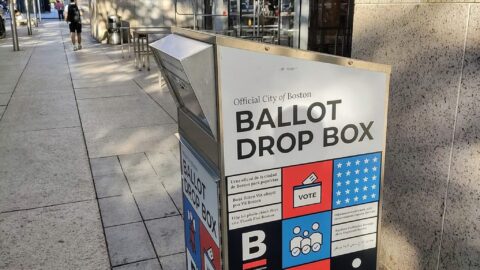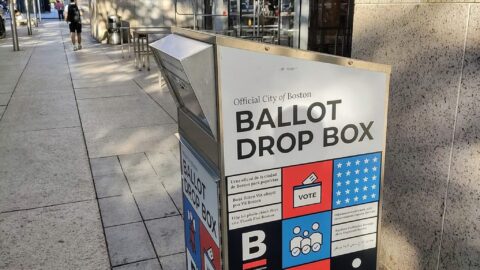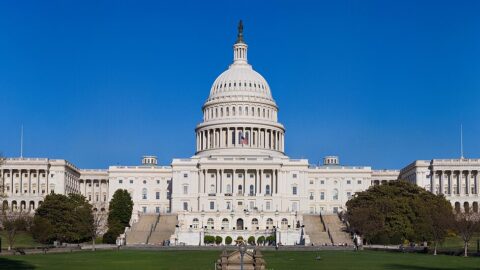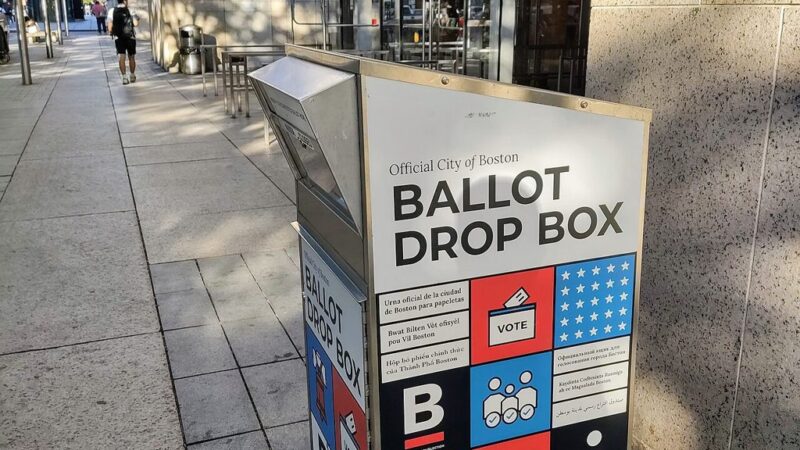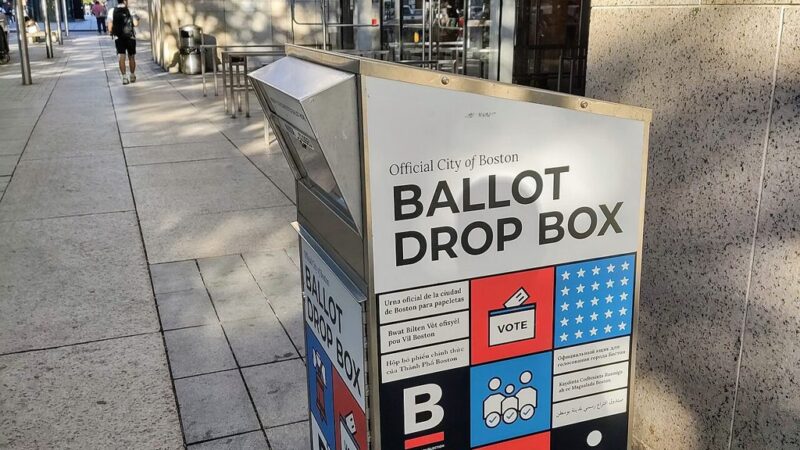
Early voting in the 2026 midterms has now passed a milestone that changes how the final week will be read. Nearly 27 million Americans had already cast ballots as of October 25, according to a tracker compiled from state election offices, including roughly 13.7 million returned mail ballots and 13.1 million in person early votes across 46 reporting states. The total is running about 10 percent ahead of the same point before the 2022 midterms, and it means that a substantial share of the electorate has already made a final choice before the last week of campaigning has even begun. Texas leads the country in ballots cast, followed by California, Florida, Georgia, North Carolina and Virginia, and the pattern is consistent: in state after state, early voting is outpacing the last midterm cycle.
Texas, Georgia and Virginia lead the surge
The state numbers tell the story in detail. In Texas, more than 4 million people had voted after one week of early voting, a figure ABC13 Houston called historic for a midterm, with Harris County alone recording more than 620,000 voters, just under 23 percent of its registered voters. In Georgia, early voting approached 1.8 million ballots, and in Virginia, early votes are almost double the number at the same point in the last midterm election, according to numbers from the Department of Elections posted to the Virginia Public Access Project. Virginia’s early voting period ends on Halloween, with voting closing at 7 p.m. on Election Day, Tuesday, November 3. Political scientists caution against reading too much into the early numbers: James Henson of the University of Texas at Austin noted that Republicans have historically been more likely to wait until Election Day, and Virginia analysts made the same point, warning that early turnout shows where voters are mobilised, not which way they vote.
What early votes can and cannot tell us
The most important discipline in the final week is distinguishing turnout from outcome. Early voting data can show enthusiasm, organisation and geography. It cannot show candidate choice, because ballots are secret, and it cannot show the Election Day vote, which in Texas and elsewhere could still be heavy. Tracking of returned ballots by party registration shows registered Democrats accounting for 45 percent of early ballots cast compared with 30 percent from Republicans, but registration is not a vote, and strategists on both sides warn against treating it as one. The midterm early voting tracker puts the national count at 26,849,689 ballots, a moving snapshot rather than a final measure, because states report on different schedules. What the snapshot does prove is engagement: millions of Americans have already voted in a midterm election, and the campaigns now have one week to persuade the voters who have not. That is the real story of the surge. Not a prediction, but a participation record, set before Election Day has even arrived.