The November 3 midterms will decide whether President Donald Trump can still govern through Congress, or whether his final two years become a defensive fight against investigations and a hostile House. That is the blunt arithmetic behind his early vote in Florida on Saturday, and behind every rally stop in the ten days that remain.
Trump’s party is battling to maintain control of Congress. Midterms traditionally favour the party out of the White House, and the polling evidence so far points the same way, with surveys suggesting Republicans could lose the House of Representatives and possibly the Senate as well. A Reuters Ipsos poll reported earlier this month put the president’s approval at a record low of 31 percent.
What losing Congress would mean
Without a Republican majority, Trump would have little room to push through his legislative agenda during his final two years in office. Democrats have said they want to examine business dealings conducted by the president and those close to him through the family holding company since his return to the White House, and a Democratic House would have the committee power to do it.
That is why the president’s campaign message has turned sharply towards turnout and towards attacking Democrats, including claims about corruption in Democratic controlled districts and cities. The argument is designed to give his own voters a reason to vote even when the national mood is against them, and to frame the election as a choice about who governs rather than a verdict on his record.
The turnout test
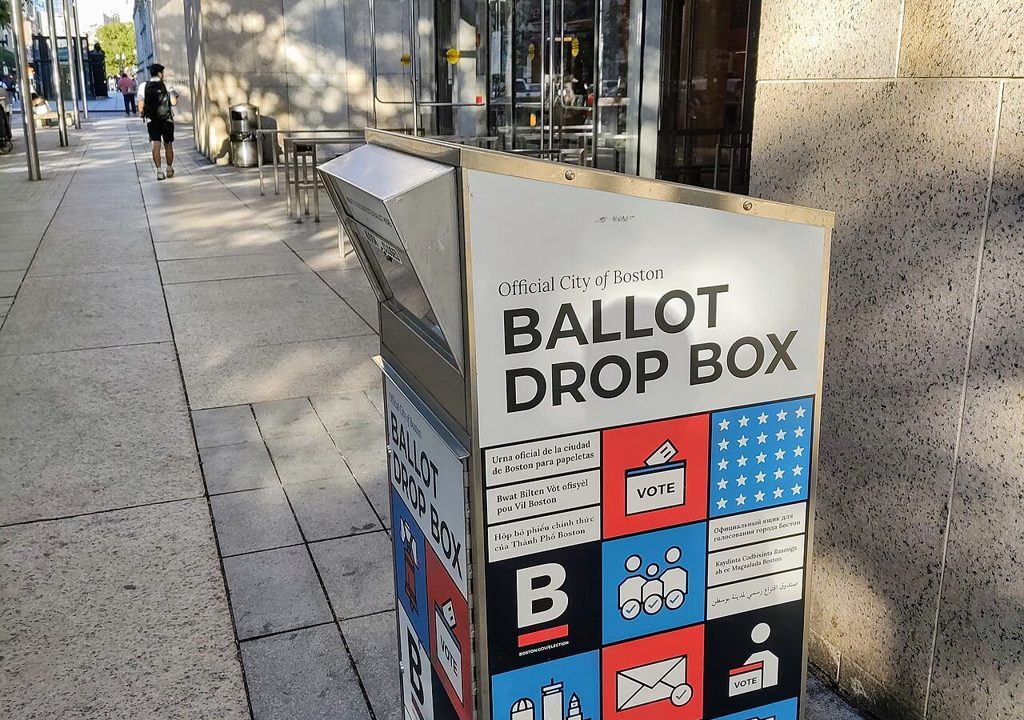
As AFP reported, Trump voted early with Melania Trump in West Palm Beach on Saturday before a rally in Georgia, telling reporters he had voted a straight party line. Early voting is now the campaign’s main tool for banking support before election day.
The question for the next ten days is whether personal campaigning can overcome a difficult polling environment. Presidents often lose midterms. The rare ones who limit the damage do it by turning out their base in full. Trump’s early vote was a public version of that argument, made at an elections office counter: vote now, vote for the party, and do not wait for November 3 to decide whether the trip is worth it.