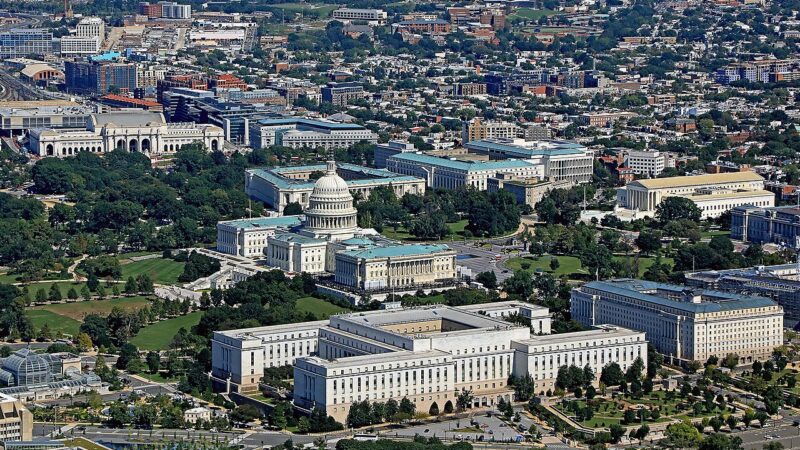
Democrats plan quick action on legislation to reverse some of President Donald Trump import taxes when the new Congress takes office in January, and tariffs on Canadian goods are among the early targets. The party won control of both the House of Representatives and the Senate in Tuesday midterm election, according to projections by the Associated Press and major US networks, and senior Democrats have already identified trade as one of the first fights of the new session.
Why it matters
The plan, as described by the Associated Press, is for quick action on legislation to reverse some of the import taxes, and Massachusetts congressman Richard Neal, the senior Democrat on the House committee responsible for trade, has repeatedly opposed the Canada tariffs. Democratic Representative Jamie Raskin told CBC on November 4 that his party would seek to end the tariffs and repair ties with Canada, and Prime Minister Mark Carney said on Friday that Canada welcomes the effort.
The limits of the plan are as important as the plan itself. The new Congress will not take office until January, and the results remain subject to the normal certification process, so no legislation can move before then. Congress can challenge presidential tariff measures, but that does not guarantee their removal, and Trump remains president with the power to veto legislation and to defend his trade agenda in court and in public.
What happens next
The Canadian government is not waiting for Washington to act. Canada minister responsible for US trade, Dominic LeBlanc, noted on Wednesday that negotiations on tariffs will be held with Trump White House, not Congress, and the budget presented on November 5 puts its focus on diversifying trade relationships, with C$142.1 billion in multi-year spending and tax measures intended to reduce reliance on the United States.
What happens next will be decided in January, when the new Congress is seated and any legislation that specifically targets the Canada tariffs is introduced. Until then, public promises by US lawmakers should be treated as political intent, not settled tariff relief. For Canadian exporters, the message is that the door has opened, but the relief is months away, and the work of finding new markets is the real insurance in the meantime.