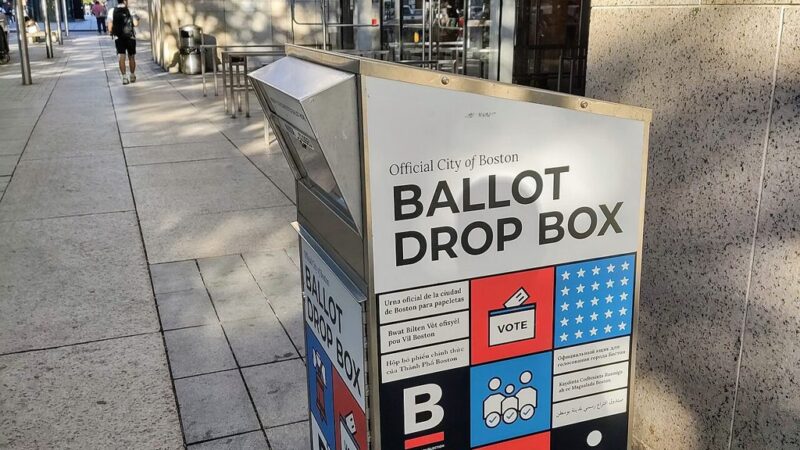
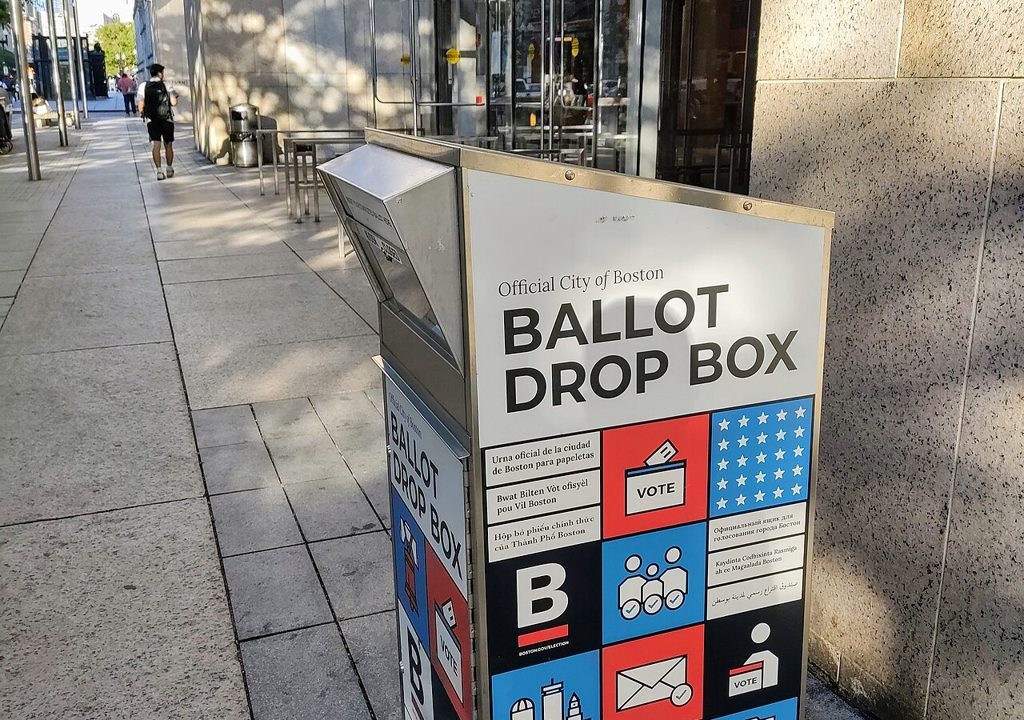
The most important number in the 2026 midterms may be the one that has not happened yet. As of October 30, 27,935,340 mail ballots sent or requested have not yet been returned, according to a tracker compiled from state election offices. That pile, larger than the entire early vote of most past midterms, is the largest single uncertainty left in the election. Campaigns know it, election officials know it, and the final four days before Election Day on November 3 will be dominated by the effort to turn outstanding ballots into cast ones.
The national early vote already stands at 42,615,145 ballots across 47 reporting states, split between 20.8 million mail ballots returned and 21.8 million in person votes. The outstanding mail ballots are a different category. They represent voters who took the first step, requesting or receiving a ballot, but have not yet completed the second. Some will return them in the coming days. Some will vote in person instead. Some will not vote at all. The difference between those outcomes, multiplied across 27.9 million ballots, could decide close races in states where the margin is smaller than the outstanding pile.
Why ballots go unreturned
Mail ballots go unreturned for ordinary reasons. A voter requests a ballot early, then life intervenes. A ballot sits on a kitchen table, is forgotten during a busy week, or arrives too late to be returned comfortably by post. Some voters decide to vote in person instead, and their mail ballot becomes redundant. Others move, or fall ill, or simply lose momentum. Election officials treat the outstanding pile as a normal feature of mail voting, not as evidence of a problem, but they also treat the final days as a chase: reminders, drop box information, and clear deadlines for return.
The chase matters because mail ballot return rates vary by state, by age and by party, and the composition of the outstanding pile is not the same as the composition of the ballots already returned. In the states that publish party registration, registered Democrats have cast 41.3 percent of early ballots so far and registered Republicans 32.2 percent, but those figures describe returned ballots only. The outstanding pile could narrow or widen that gap, and neither campaign can know which until the ballots come back or the deadline passes.
What voters should do now
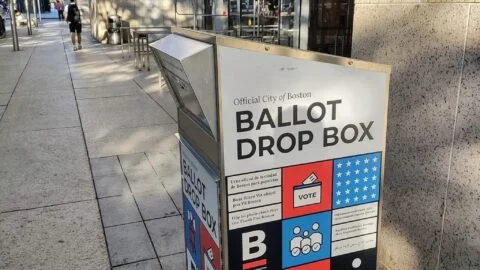
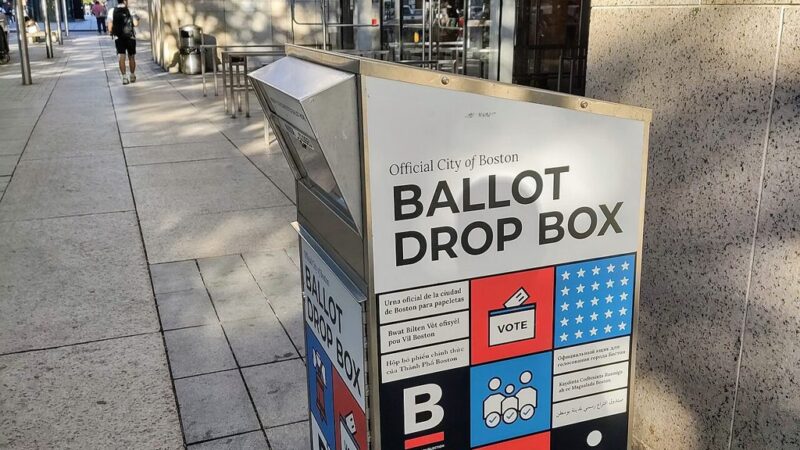
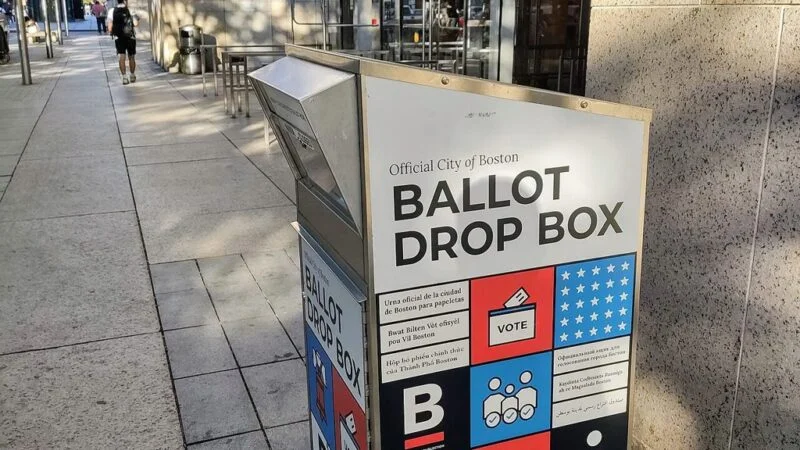
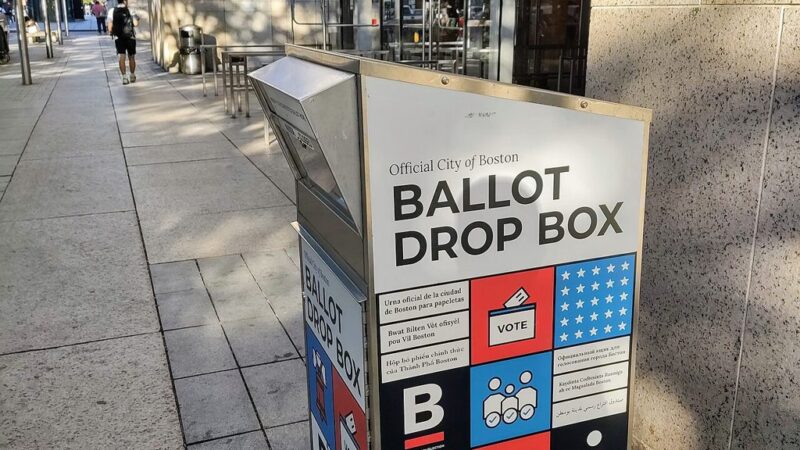
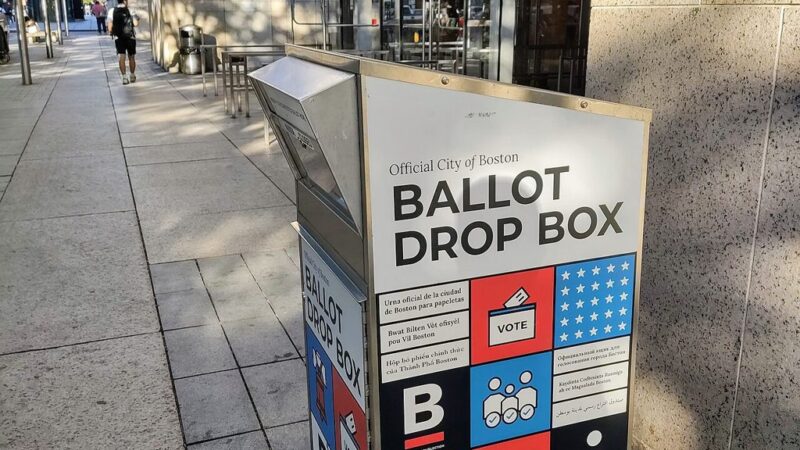
The practical advice is straightforward and urgent. If you hold a mail ballot, return it promptly, preferably through a drop box rather than by post at this late stage, and check your local rules on deadlines and postmarks. If you plan to vote in person on Tuesday, confirm your polling place and its hours. The tracker compiled from state election offices shows the national count updating daily, but the state and county figures are the ones that determine whether an outstanding ballot can still be counted.
By Tuesday night, the 27.9 million will have resolved into returned ballots, in person votes, and ballots that were never used. The campaigns spending this weekend chasing them understand what is at stake. An election is not decided by the ballots that were requested. It is decided by the ballots that come back.