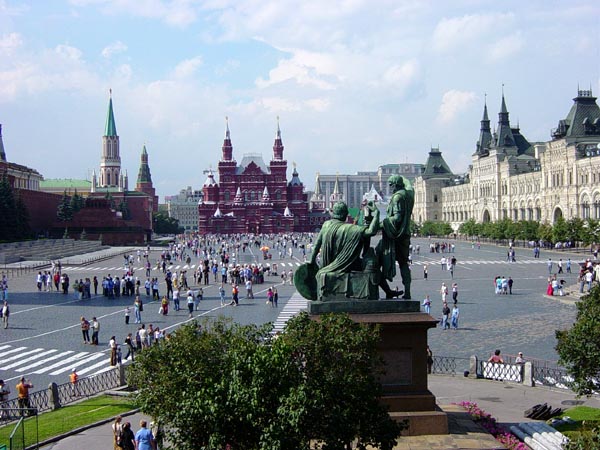
When Russia agreed in principle to resume three way talks with Ukraine and the United States, the headline was the date and the place: Abu Dhabi, around November 10. The quieter story from the St. Petersburg meeting on October 21 was what changed hands around the table, including the release of a detained American and discussion of an energy arrangement that reaches far beyond the negotiating room.
Moscow announced the release of Stephen Hubbard, a 74 year old retired schoolteacher from Michigan who had been detained in Russia for more than four years, as the meeting between President Vladimir Putin and United States special envoy Steve Witkoff began. The release was presented as a goodwill gesture toward Washington. It was the kind of step that does not end a war, but signals that a channel is open and that gestures can be exchanged.
Diesel, and the limits of a gesture
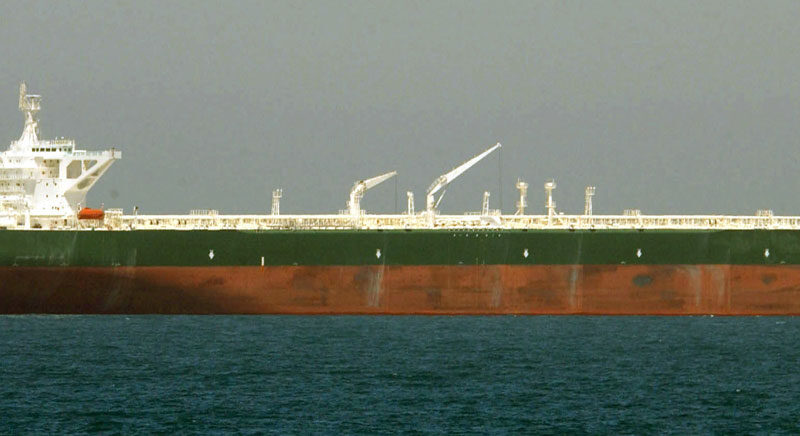
The meeting also covered implementation of a diesel supply arrangement agreed between Putin and President Donald Trump on October 9, concerning Russian diesel supplies for the United States and global markets. Kremlin aide Yuri Ushakov said the three hour session, Witkoff’s ninth in person meeting with Putin, also addressed the crisis involving Iran, with Putin stressing that diplomatic options remained available.
None of this amounts to a settlement. The proposed Abu Dhabi round would be the first meeting of the trilateral technical format since February 2026, and earlier rounds produced only prisoner swaps. IRIA News reported that the meeting produced no peace agreement and no immediate ceasefire, and that disagreements over territorial control and Ukraine’s future security remain unresolved.
Why small exchanges matter in a long war
In long wars, small exchanges matter because they test whether the other side will keep its word on something small before anyone risks something large. A prisoner release can be verified in a day. A diesel arrangement can be measured in shipments. A promise on territory cannot. That is why diplomats watch the edges of a meeting as closely as its centre: the edges show whether trust, even in small amounts, is being built.
Witkoff had arrived in St. Petersburg a day after talks in Oslo with Ukrainian President Volodymyr Zelenskyy and European leaders, with Jared Kushner joining the Russian session by video link. The Abu Dhabi proposal now gives that shuttle diplomacy a destination. Whether it becomes a negotiation will depend less on the gestures already exchanged, and more on whether the next round moves from releases and energy to the questions that decide the war itself.