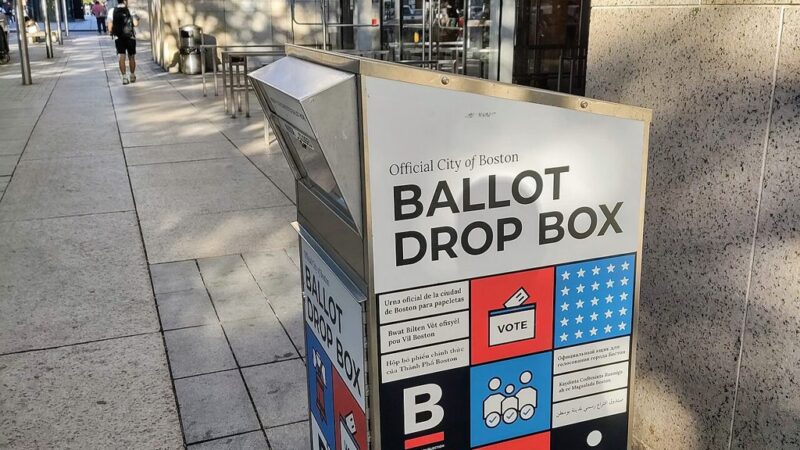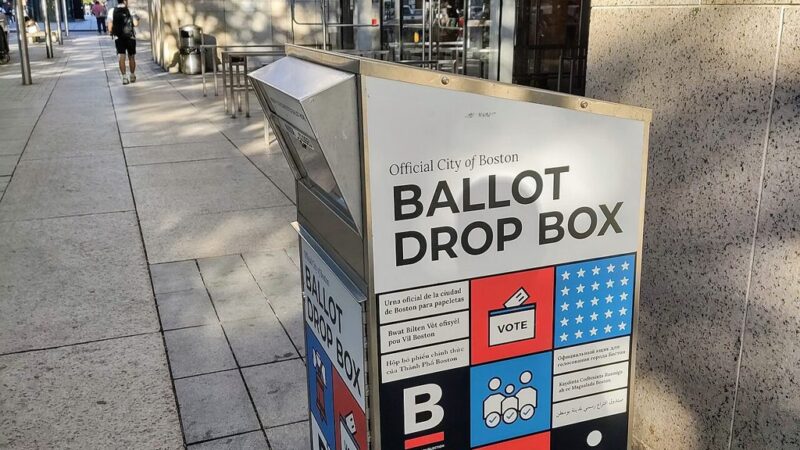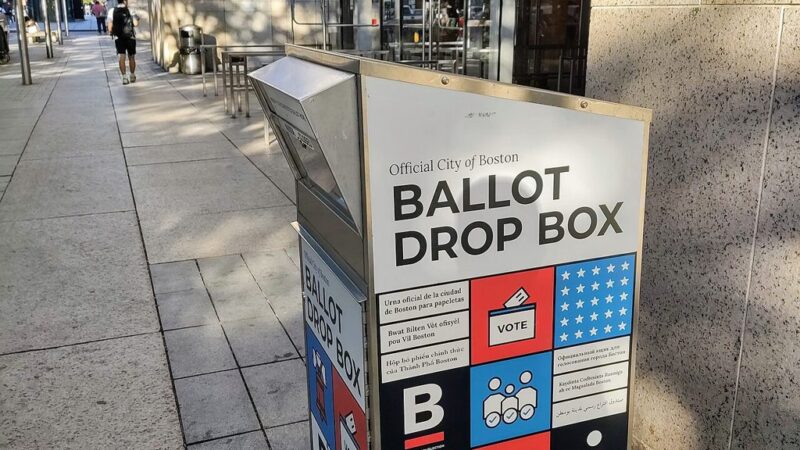
The most closely watched Senate race in the final weekend of the midterms is not only about votes but about a name. In Alaska, the Republican incumbent is Dan S. Sullivan, and the ballot also includes a nonpartisan candidate named Daniel J. Sullivan Jr. The Trump administration’s Department of Justice accelerated a criminal investigation on Friday, following reports that aides to a Democratic Senate candidate recruited a retired schoolteacher from a remote fishing village to get on the ballot because he has the same name as the incumbent. Prosecutors allege, in the framing reported by Reuters, a sham candidate in a key race.
The allegation matters because Alaska’s race is seen as crucial for Democrats if they hope to take control of the Senate from Trump’s Republicans in Tuesday’s vote. It is one of 35 races in the 100 member Senate that will set the tone for the final two years of Trump’s presidency, alongside all 435 House seats. A close race decided by confusion over similar names would be contested whatever the result, and the federal intervention ensures that any contest will play out in court as well as at the ballot box. The Department of Justice, acting on a civil lawsuit that President Donald Trump said he instigated, also filed further motions attempting to block Alaska from certifying the Senate results if the Republican incumbent loses a close race on a ballot that includes the nonpartisan candidate.
Certification, not just candidacy
The certification motions are the more consequential part of the story. A criminal investigation into how a candidate reached the ballot is one kind of legal action; an attempt to block certification of results is another, because it goes to whether a state’s count will be accepted at all. Election lawyers will note the sequence: the motions are framed around a close loss for the incumbent, which means they anticipate a particular outcome rather than applying neutrally to any result. That framing will itself become part of any litigation, as courts ask whether the federal government is protecting the process or prejudging it.
Alaska’s voters, meanwhile, face a practical question that no lawsuit answers: how to distinguish two Sullivans on a ballot, one an incumbent senator and one a retired schoolteacher from a remote fishing village who, according to the reports, was recruited precisely because of the name. Ballot design, voter guides and campaign advertising all matter more than usual in such a race, and confusion, even if it affects only a small share of voters, could exceed the margin in a close contest. The campaign for control of Congress reached its final weekend with the Alaska race under federal scrutiny, and the state has become a test of how the system handles a candidacy that looks, to prosecutors, like a tactic rather than a campaign.
Administration involvement nationwide
Alaska is not the only race where the administration has intervened. The Trump administration has also sued California to try to prevent the counting of ballots cast by more than 20,000 registered voters who the administration alleged could be noncitizens, a case that raises its own questions about evidence, timing and the burden on voters whose eligibility is challenged after registration. Taken together, the interventions show a federal government willing to litigate election administration in the final days before voting, a strategy with risks for both sides: it may deter genuine irregularities, or it may be seen as an attempt to shape outcomes through courts rather than campaigns.
For all the litigation, a bipartisan majority of voters, 76 percent in a September 30 to October 5 Reuters/Ipsos poll, said they were confident their ballots would be counted accurately. That confidence is the resource both campaigns and courts are spending. Alaska will test it first, because its Senate race combines a name confusion allegation, a criminal investigation and a certification fight in a single contest, days before the votes are counted. Whatever Tuesday brings, the Alaska result is unlikely to be accepted quietly by the losing side.