
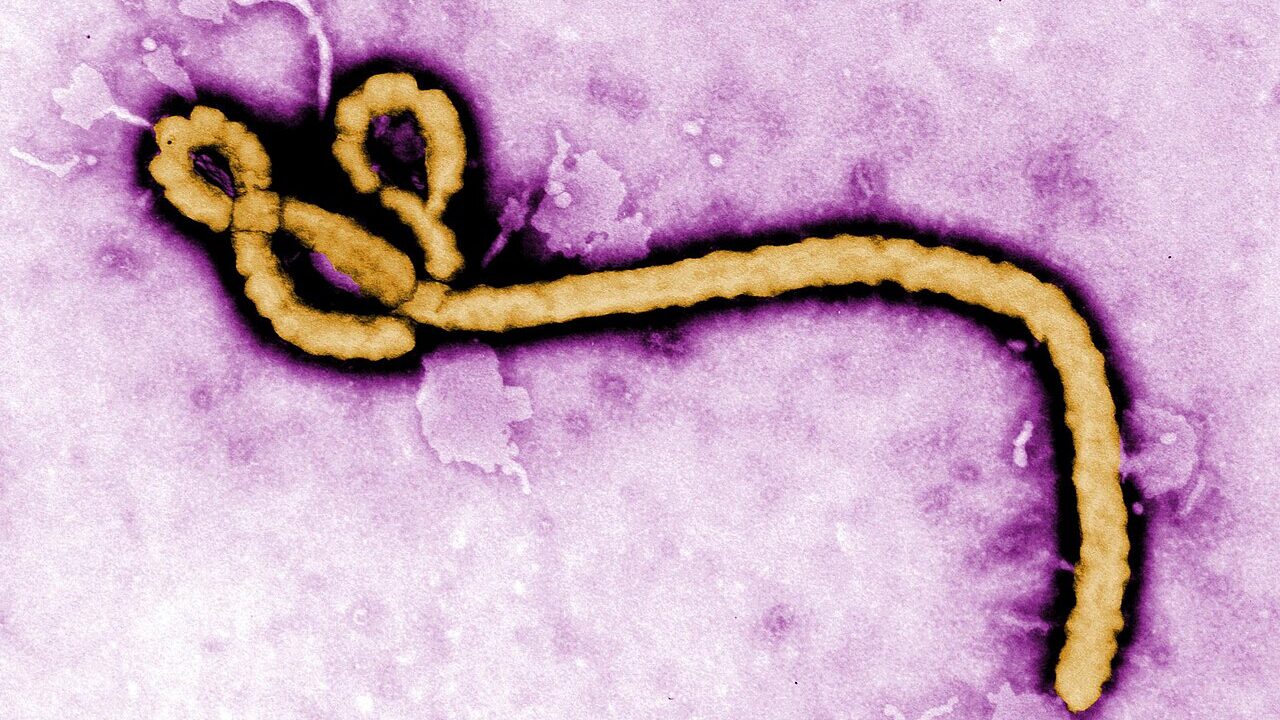
On October 9, 2026, the World Health Organization held a live briefing on the Ebola outbreak response in Africa, with its regional emergency leadership and country officials describing the coordination with national ministries of health on which containment now depends.
Ebola briefings are exercises in calibrated honesty. The metrics that matter — new confirmed cases, the share of them already on contact lists, the time between symptom onset and isolation, the proportion of burials conducted safely — each measure a different link in the chain the response must break, and each can improve while the outbreak worsens somewhere unobserved. Response succeeds, as officials framed it, when surveillance, safe burials, isolation and community trust move at the same speed; it fails characteristically when any one of them laps the others — laboratories confirming cases nobody can reach, treatment beds waiting in villages that will not send their sick.
The community-trust element is the one most often underweighted in situation reports and most decisive in the field. Every Ebola response since 2014 has relearned that families hide patients from teams they fear, that safe-burial protocols imposed without negotiation produce secret burials, and that the epidemic curve bends only when local leaders co-own the measures. Ministries of health, not visiting agencies, hold that legitimacy — which is why the briefing’s structure, regional officials alongside country leadership, is itself part of the intervention.
Watch the chains, not the totals
Officials will be judged by whether the next situation report shows shorter chains of transmission or longer ones: cases arising from known contacts are the response winning; cases appearing from nowhere are it losing. NewsWibe’s Health & Science Desk will follow the situation reports as WHO publishes them.
There is also the matter of what a briefing cannot say. Case counts from active conflict zones and remote prefectures arrive late and partial, and experienced outbreak-watchers read WHO’s confidence intervals as carefully as its headlines: the map of what is unknown is the true agenda of every such session.



1 Comment