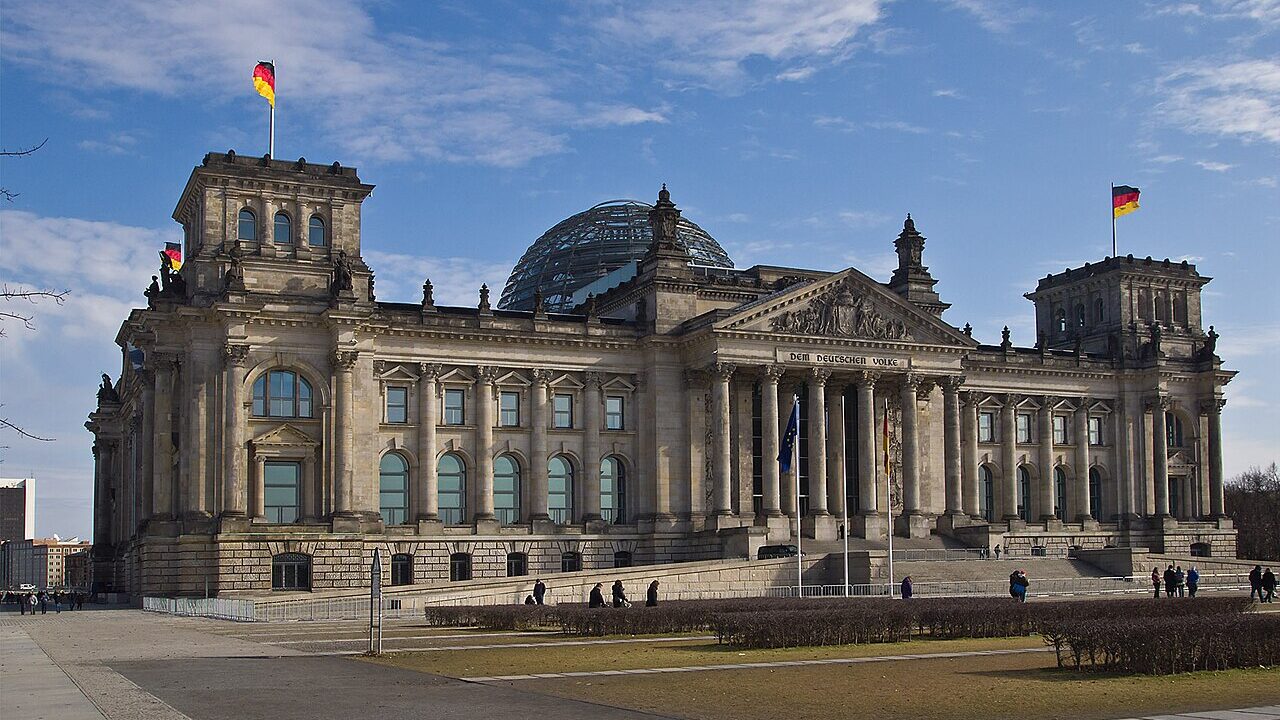
On October 9, 2026, the World Health Summit prepared to convene in Berlin from October 11–13 under the theme “From Crisis to Resilience: Innovating for Health,” gathering leaders from science, politics, civil society and the private sector around health equity, innovation and global health security.
The theme concedes the era. The framing, as organisers describe it, admits that crises now overlap rather than queue: conflict, climate shocks, geopolitics, inequality and economic strain collide in the same health systems at the same time, and a machinery of response built for one emergency at a time is being audited by all of them at once. “Resilience” is the summit circuit’s word for the audit’s findings — the capacity not merely to respond but to keep ordinary care running while responding, which is where systems actually broke during the pandemic years: the vaccinations deferred, the surgeries postponed, the chronic patients lost to follow-up.
Berlin’s summit has carved its niche as the political end of global health — less a scientific congress than a negotiation among the people who control budgets, procurement and mandates. That positioning sets its test. Summits matter when their language becomes budgets, procurement rules and workforce decisions after the panels end; they fail as theatre when the communiqué’s verbs are all “recognise” and none of them are “fund.”
What to watch in the margins
The significant transactions at such gatherings rarely happen on stage: they are the side-meetings where a financing facility is seeded, a procurement pool agreed, a workforce compact drafted. NewsWibe’s Health & Science Desk will report the summit’s announced commitments and track which of them acquire budgets in the months after Berlin.
Berlin also offers the system a mirror. Germany’s own health politics — hospital reform, workforce shortages, digitalisation lagging its ambitions — will sit in the corridors of a summit lecturing the world on resilience, and the better panels will not pretend otherwise.