

On October 9, 2026, Treasuries rallied after solid demand at a 30-year bond auction pulled long-dated yields back from more than two-decade highs — with the 10-year yield at 5.22 percent in market coverage, a level that keeps every mortgage and corporate loan in America expensive.
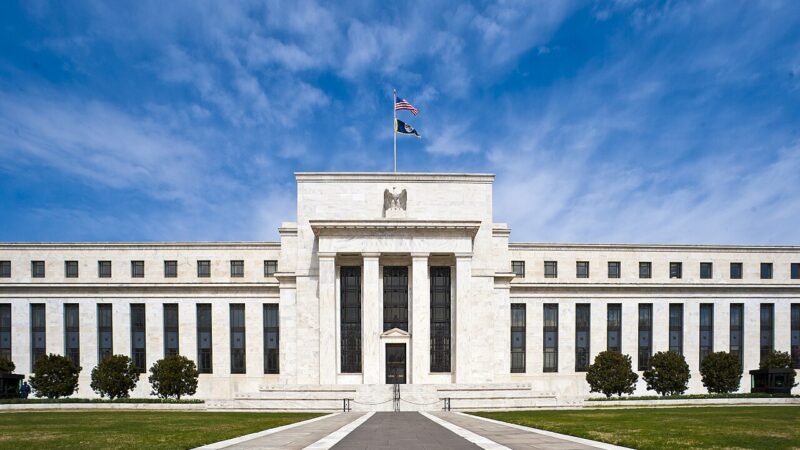
A 30-year auction is where the bond market renders its verdict on a government’s finances, and lately the verdicts have been suspenseful: buyers demanding concessions, tails measured in basis points making evening news. This one cleared with solid demand, and the relief rally in long bonds was the sound of a market that had priced something worse. Federal Reserve officials, meanwhile, kept a hawkish tone, with Governor Christopher Waller saying further rate rises would probably be needed — a reminder that the central bank and the Treasury are pulling on the same rope from opposite ends, one fighting inflation, the other funding a deficit at the resulting prices.
Bond investors welcomed the auction, but a single good sale does not end a fiscal supply problem. The Treasury must return to this market weekly, in size, into a buyer base whose largest historical members — foreign central banks, the Federal Reserve itself — are no longer reliably expanding. Each auction is thus a referendum that passes or fails on price.
The supply problem has a calendar
Yields at two-decade highs are not an event; they are the new cost of government, compounding into every budget line behind them. NewsWibe’s Business & Technology Desk will follow the auction calendar and the Fed’s path as the two negotiate in public.
Five percent on the long end also reprices the government’s own future: every point of yield sustained across the curve is a future tax, a future cut, or a future argument about both, and the auction calendar will keep posing the question monthly.
One auction does not end a fiscal supply problem, but it can end a panic. This one did the second while leaving the first intact.







1 Comment