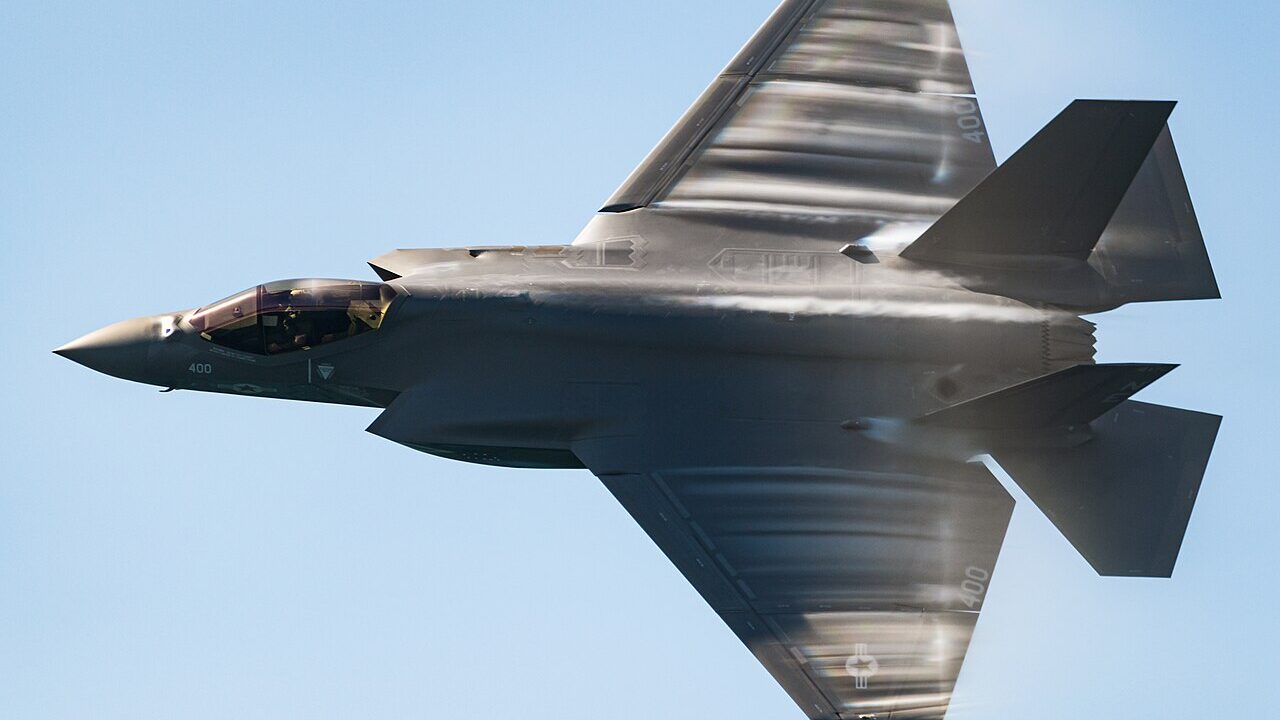
On October 9, 2026, Bloomberg reported that a missed warning at United Parcel Service allowed China to obtain sensitive F-35 stealth fighter components — a failure, per a person briefed on the incident, that ran through a freight chain in which forwarder DSV handled part of the shipment.
Export control is usually imagined as a factory problem: guards, licences, end-user certificates at the plant gate. This case, as reported, failed in the unglamorous middle — inboxes, labels and freight handoffs, where a warning that should have stopped a shipment was missed by a person or a system whose job was to read it. Sensitive components for the world’s most protected fighter programme moved not because a wall was breached but because a workflow was not: the shipment looked, to every checkpoint that saw it, like freight.
The strategic cost is measured in a currency beyond the parts themselves. The F-35’s value is its secrecy — materials, tolerances, signatures accumulated over billions of dollars of development — and every component in adversary hands is a tutorial in how to detect, counter or copy it. Allies who fly the jet, and who accepted restrictions on their own supply chains to join the programme, will read the report as a question about the network they joined.
Logistics data is a security surface
The lesson the defence industry will draw is that supply-chain security now includes the paperwork layer as a first-class attack surface: labels, routing data, freight documentation and the alerts buried in them. Audits will follow the inboxes. NewsWibe’s Business & Technology Desk will report official responses from the companies and agencies involved as they are issued.
There is a further uncomfortable layer: the freight industry runs on trust at industrial scale, thousands of handoffs a day no human can inspect. Securing that system means teaching software to distrust on our behalf — screening every label against every watchlist, and treating a missed alert anywhere in the chain as a reportable breach rather than bad luck.