Khosla Ventures is preparing to open a New York office this fall, its first location outside its long-established base on Sand Hill Road in California, according to reports.
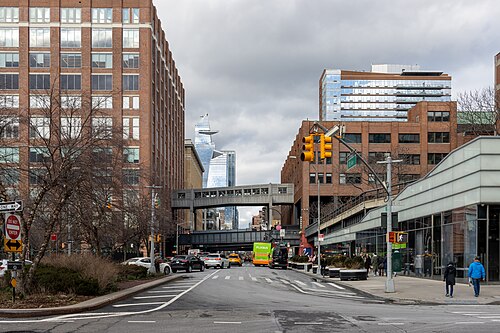
The move was confirmed by partner Keith Rabois during an industry event in New York. The new office is expected to be on 14th Street in Manhattan and is still being built out, with the opening timetable described as approximate rather than fixed.
The decision marks a notable change for a firm that has operated from a single headquarters for more than two decades. It does not even maintain a San Francisco office, a point raised as evidence of how significant an East Coast outpost is for its way of working.
The New York space is expected to house a small group of investors and include an executive briefing centre. That facility would bring batches of portfolio companies together with large corporate customers several days a week, giving start-ups a chance to pursue pilots and commercial relationships.
The announcement also reflects New York’s growing weight in technology and artificial intelligence hiring, especially as financial firms compete for technical talent. The open question is how the office will operate in practice: whether it becomes a centre for new local investments, a meeting place for visiting partners, or a mix of both as the firm tests a second home.
Other large venture firms have maintained New York presences for several years, so Khosla is not moving into empty territory. The difference is one of degree: a firm known for concentrating its partners in one room is now accepting the cost and complexity of a second base. That suggests the centre of gravity for some deals, customers and hires has shifted enough to justify a permanent address rather than occasional visits.
Rabois also raised the familiar New York challenge of senior recruitment, noting that commute times can make in-office roles harder to fill at executive level even where junior talent is plentiful. Portfolio companies have responded in different ways, including building teams from earlier-career hires. How Khosla balances that reality with its preference for close, in-person debate will help determine whether the new office is a symbolic flag or a genuine second headquarters in the making.