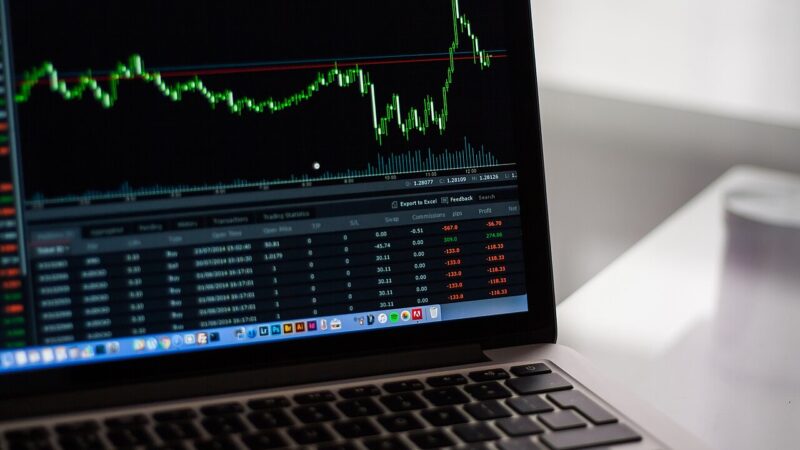
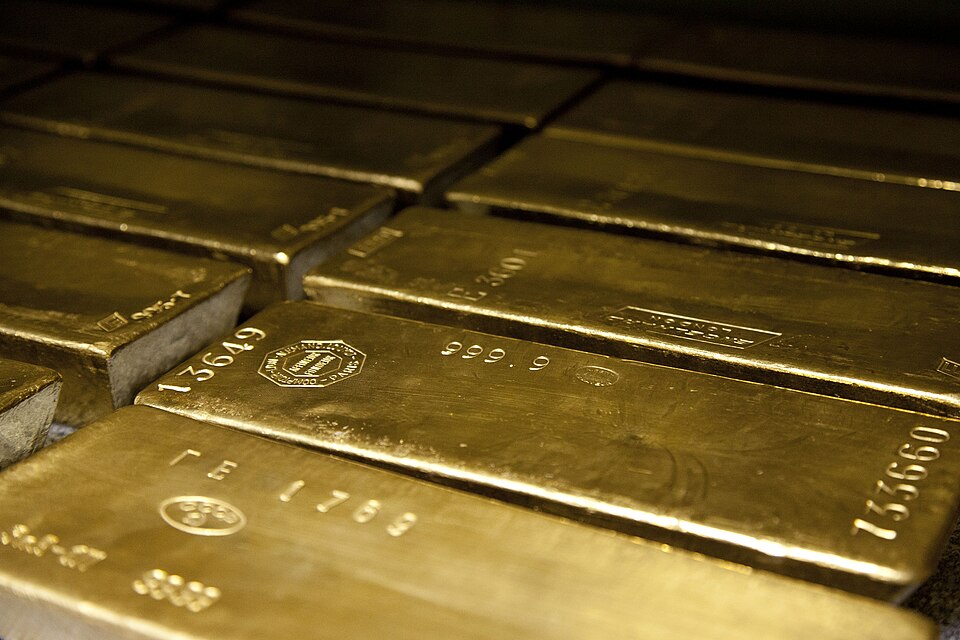
On October 9, 2026, gold was steady at $4,111 an ounce after finding bids at two-month lows — a price that would have been a headline by itself in any previous decade, now functioning as the calm version of the gold story.
The metal’s physics in this market are instructive. Non-interest-bearing gold usually suffers when yields climb, because every basis point on a Treasury is an argument against holding an asset that pays nothing. At 5 percent-plus on the 10-year, gold held anyway — as euro-zone bond yields stalled and the dollar retreated against the yen, the bids at the lows arrived on schedule. The metal’s resilience says investors still want insurance even while equity markets sit near highs: the same portfolios buying the rally are paying premiums against its failure, and gold at $4,111 is what that ambivalence costs per ounce.
The test ahead is sequential. If yields break higher again, gold must choose between its inflation-hedge identity and its opportunity cost — the two have been pulling in opposite directions all cycle, and so far the hedge has been winning on points. Central-bank buying beneath the market, the quiet structural bid of the past three years, is the reason the lows keep finding buyers before they become routs.
Insurance with a daily premium
Gold no longer trades as a panic asset; it trades as a standing policy the market renews every morning. NewsWibe’s Business & Technology Desk will watch the yield-gold negotiation through the next inflation prints.
What $4,111 actually measures is not fear but rent: the daily price the financial system pays to keep one asset that owes nothing to anyone. Rents that high, sustained this long, are themselves a forecast.
The miners read the same price differently, as a costed invitation to dig where they would not have dug three years ago; supply, eventually, answers price — eventually being the word the insurance buyers are paying to ignore.