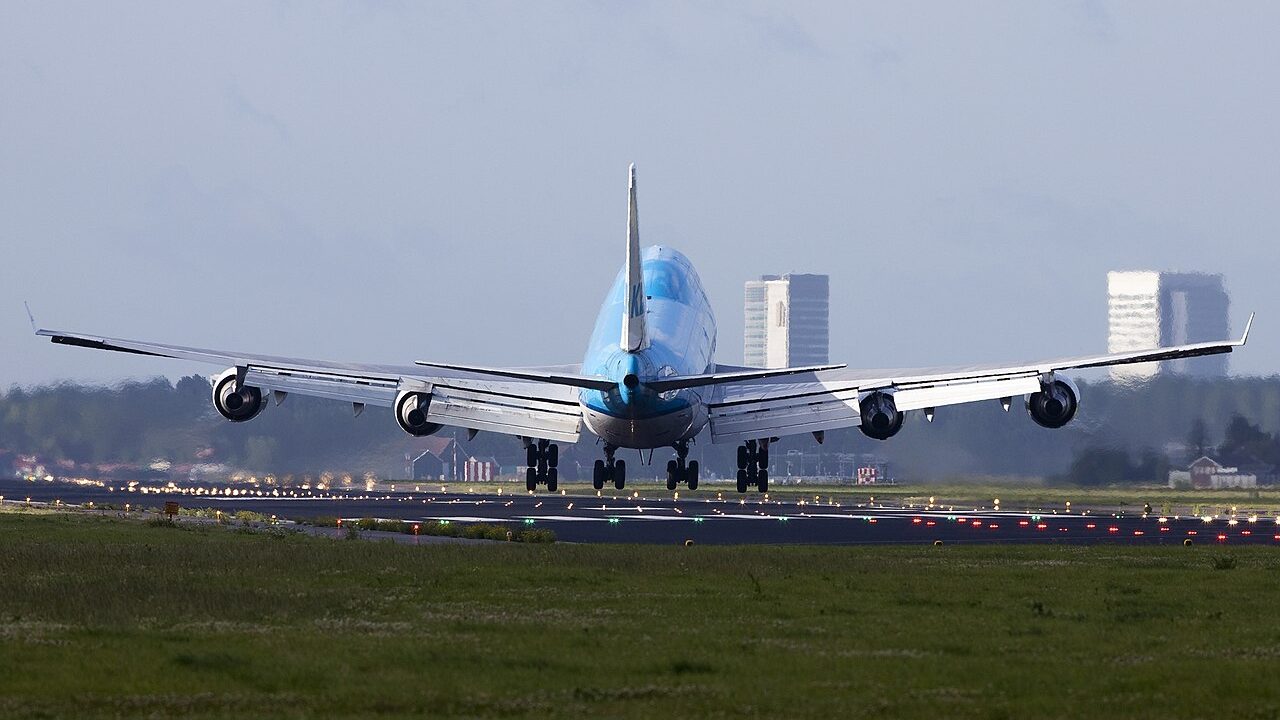
On October 9, 2026, a plane was damaged at Riyadh’s airport and flights were suspended after a Houthi strike on the Saudi capital, according to reports citing sources — with explosions heard across the city as the Iran-backed Houthis targeted Saudi airports for a third straight day and warned of a long conflict.
Civil aviation is a pressure point unlike any other in the region’s strategic geometry. A single damaged aircraft can close runways, divert fleets and shake insurance markets across the Gulf — and none of that requires the attacker to win anything. The Houthis understand the arithmetic of their weapons: a drone or missile costing little, aimed at an airport, imposes costs measured in closed airspace, rerouted networks, war-risk premiums and the reputational tax on capitals that have spent a decade marketing themselves as the world’s crossroads. Saudi Arabia’s airports were built as symbols of openness and growth; that is precisely what makes them targets.
The third straight day of strikes, with an explicit warning of a long conflict, is messaging as much as bombardment: the Houthis are advertising endurance, telling Riyadh and its partners that the campaign will not be ended by a news cycle or a retaliatory raid. Regional governments now have to protect the infrastructure of their own openness — a defensive problem that grows more expensive with every successful interception as well as every failure.
The insurance markets vote first
Before foreign ministries finish their statements, aviation underwriters will have repriced the Gulf. NewsWibe’s World & Politics Desk will follow the airspace closures, the official Saudi account and the conflict’s widening economics.
Riyadh will answer militarily, as it has before; the deeper problem is architectural. A kingdom selling itself as the regionu2019s hub must now budget, permanently, for the defence of the invitation it extended to the world.