American households are continuing to feel pressure from high prices, with fuel costs a major factor pushing up everyday expenses, according to reports on recent inflation data.
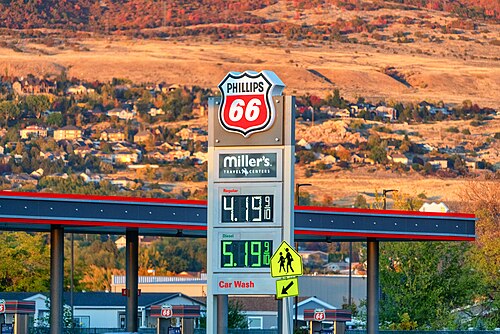
Consumer prices rose 3.4 percent over the year to August, unchanged from the previous month. Gasoline accounted for a large share of the most recent increase, while diesel reached record average levels above six dollars a gallon. Higher global oil prices, linked to supply disruptions, have kept transport costs elevated across the economy.
The effect reaches beyond the petrol pump. When fuel becomes more expensive, moving food and goods around the country costs more, and those charges are often passed on in shop prices. At the same time, wage growth has not kept pace for many workers, with real average earnings slipping, leaving families with less room in weekly budgets.
Recent consumer surveys paint a similar picture. More households say they feel worse off than a year ago and expect inflation to remain a concern. Economists note that shoppers have kept spending so far, but many are drawing on savings or credit to do so, a pattern that is difficult to sustain if prices stay high.
Attention now turns to the Federal Reserve. With inflation still above its 2 percent target, markets expect policymakers to remain cautious. For families, however, the immediate issue is simpler: fuel, food and transport costs that continue to take a larger share of income.
Retailers are beginning to feel the same pressure as households plan more carefully for the holiday season. Recent industry research suggests many Americans intend to spend less than last year, shop earlier for discounts and focus on essentials. For lower and middle income families, the choice is often between maintaining everyday spending and taking on additional debt, a balance that becomes harder when fuel and food prices rise together.
There is, however, a mixed signal in the data. Consumer spending has remained resilient, and expectations for income growth have improved in some surveys even as confidence about personal finances has weakened. Economists say that resilience may reflect a strong jobs market, but warn that it can fade quickly if energy prices climb further or borrowing costs rise. The next inflation release will therefore be watched closely, not only by markets but by households deciding how much room is left in already tight budgets.