On October 9, 2026, a World Health Summit session advanced an argument that deserves wider currency: neglected tropical diseases are best read as early-warning instruments for the health systems around them.
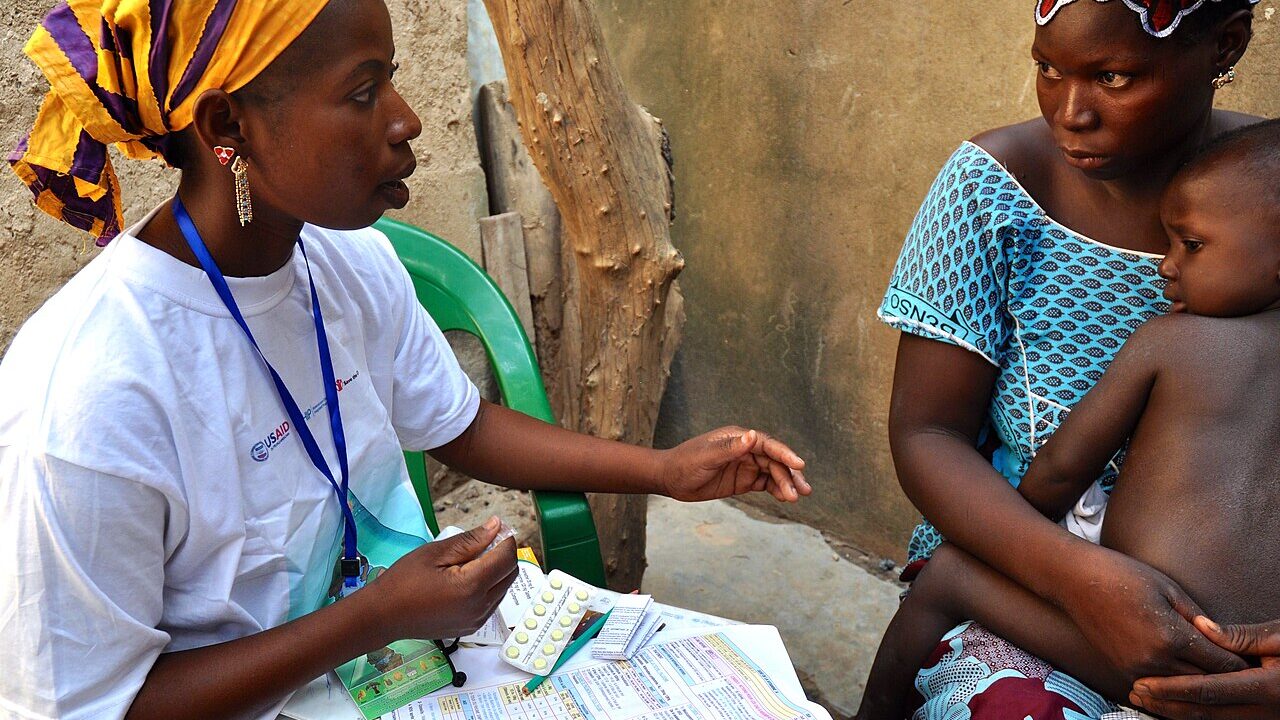
The logic is diagnostic. NTDs — the family of some twenty conditions from river blindness to sleeping sickness — persist precisely where the ordinary machinery of care does not reach: where supply chains fail before the last village, where community health workers are absent or unpaid, where surveillance exists on paper and nowhere else. A district that cannot deliver mass drug administration for lymphatic filariasis on schedule is telling you, in advance, how it will perform when the emergency is a cholera outbreak instead. Where NTDs cannot be controlled, the same logistics and community networks are unlikely to manage epidemics at all — the diseases are the audit, conducted on the poorest patients first.
That flips the usual funding story. NTD programmes are typically defended as vertical bargains — donated drugs, disease-specific targets, remarkable value per disability-adjusted life year. The summit’s argument is that the programmes’ deepest yield is horizontal: the trained community distributors, the cold chains, the village-level registries and the trust that broader care then inherits. Disease programmes can build the very systems primary care depends on — or, underfunded and siloed, they can survive as parallel structures that collapse the day the donation cycle ends.
The silo question
With fragile supply chains and widening funding gaps, the question funders now face is whether NTD work is specified as system-building or merely disease-chasing. The diseases themselves will arbitrate: districts that control them with borrowed infrastructure lose the gains when the borrowing ends. NewsWibe’s Health & Science Desk will follow the summit’s outcomes and the funding decisions that test the argument.
The summit argument carries a funding implication its audience will recognise: stop paying for diseases and start paying for the districts that defeat them, with the diseases as the measurable excuse. It is a harder sell in a results framework, and a more honest one.