On October 9, 2026, the World Health Organization introduced its strategy for water, sanitation, hygiene and waste for 2026–2035 — a decade-long frame for the least visible determinant of whether health care works.
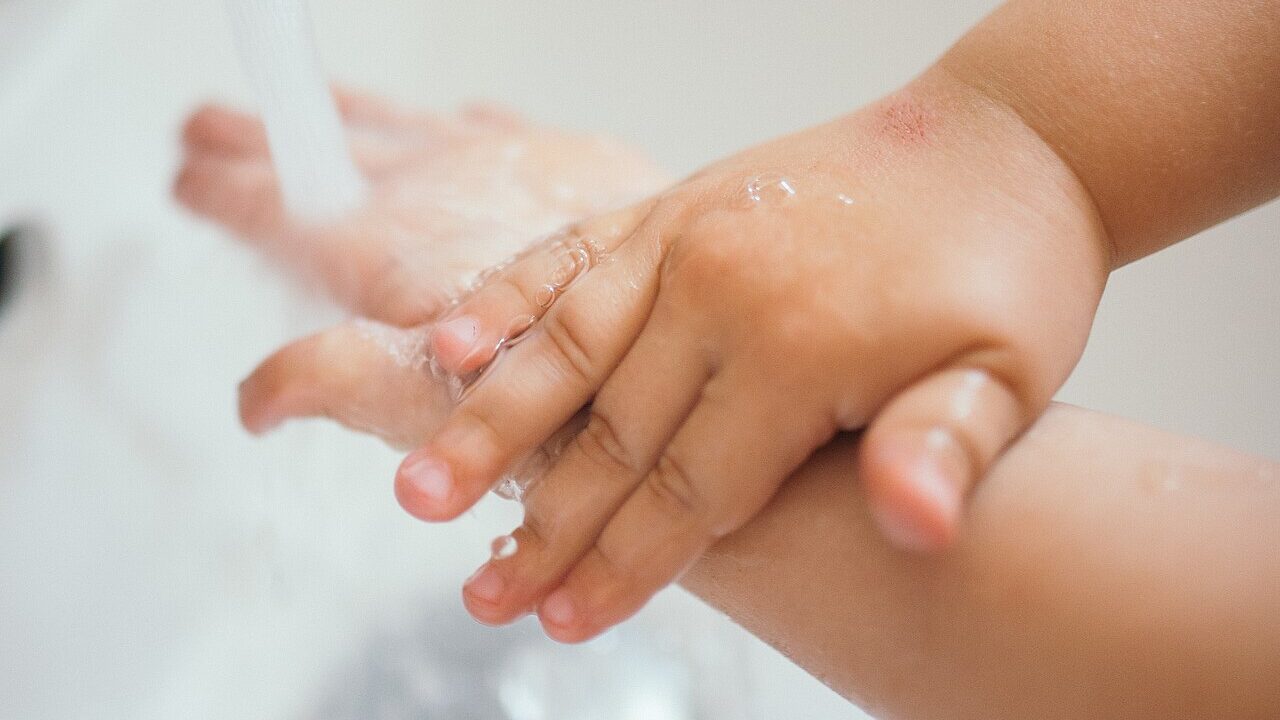
The strategy, presented in a short staff-narrated explainer, responds to pressures WHO enumerates: climate change, urbanisation, antimicrobial resistance, health emergencies and persistent inequalities. The connection between them is water. A hospital without reliable running water cannot sterilise instruments, isolate infectious patients or ask its staff to wash their hands — and a substantial share of the world’s facilities are exactly there. WASH failures rarely make emergency headlines, yet they decide whether hospitals heal people or expose them to new infections; the sepsis acquired in a facility without water is counted as a clinical failure and filed, wrongly, as bad luck.
The decade horizon is the strategy’s most telling feature. Water and sanitation are infrastructure, and infrastructure runs on capital budgets, utilities and workforce pipelines rather than campaign cycles. WHO says it will judge the strategy by regulation, surveillance, financing and workforce capacity rather than launch language — the unglamorous four on which every previous WASH framework has either been built or quietly buried. Antimicrobial resistance sharpens the stakes: every infection prevented by water and hygiene is an antibiotic course never taken, which makes a standpipe a drug-resistance intervention that no steward committee has to approve.
What success would look like in 2035
Not a ribbon-cutting: a generation of facilities where water is as assumed as electricity, and district systems monitored with the seriousness now reserved for disease counts. NewsWibe’s Health & Science Desk will track national adoptions and the financing rounds that decide whether the strategy is a plan or a preface.
There is a budgetary irony WHO is too diplomatic to underline: water systems in hospitals are capital projects, unphotogenic and unribbonable, competing for the same donor envelopes as vaccines with launch dates. The strategy’s success will be counted in plumbing tenders, not press releases.