
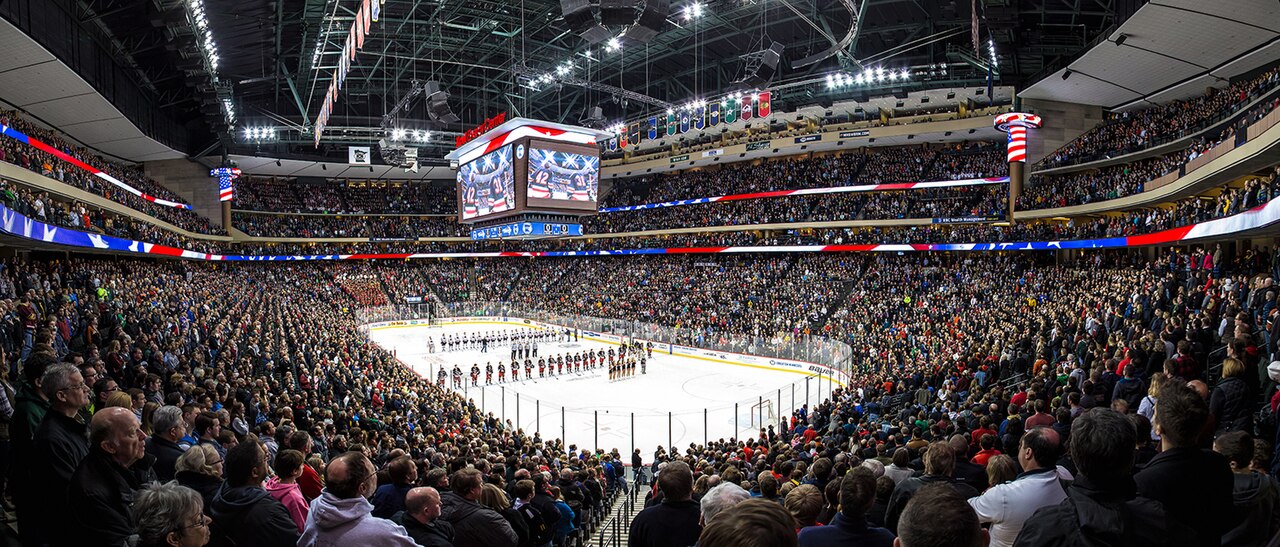
On October 9, 2026, Devon Toews, Cale Makar and Jaden Schwartz all scored twice in Colorado’s meeting with Calgary — a goal rush the NHL’s Oct. 8 highlights packaged as a game swinging by period, with the Flames answering the Avalanche’s speed in waves that never quite caught it.
When Makar scores twice, the story is rarely only about offence. His skating changes how opponents exit their own zone: a defence that must account for a fourth attacker joining every rush cannot hold its gaps, retreats earlier, and concedes the neutral zone it needs to slow Colorado’s forwards. Toews scoring twice from the same blue line compounds the problem — the Avalanche’s transition becomes a five-man argument that Calgary’s forwards had to chase backwards all night. Schwartz’s pair, from the other bench’s perspective, was the counter-argument that kept the game honest: Calgary’s waves of response were real, and the Flames leave with film of a game close enough to frustrate and open enough to warn the coaches.
That duality is the useful artefact of an early-season meeting between a contender and a rebuilder. Colorado’s ceiling was on display — the speed is structural, not a hot streak — while Calgary’s floor rose in the same footage: they were outrun, but they answered, twice, and the answers came from depth rather than luck.
Film both benches will keep
For Calgary, the tape is a syllabus: how to survive Makar’s side of the ice without surrendering your own attack. For Colorado, it is an early certificate that the machine works. NewsWibe’s Sports & Entertainment Desk will follow the season series as the Flames try to close the speed gap.
Calgary’s consolation is structural: they skated with Colorado for stretches, and the waves the highlights showed were not accidents. The warning is equally structural: surviving the Avalanche’s transition game requires numbers back that a chasing team cannot always spare, and the rematch will be graded on exactly that discipline.









1 Comment