
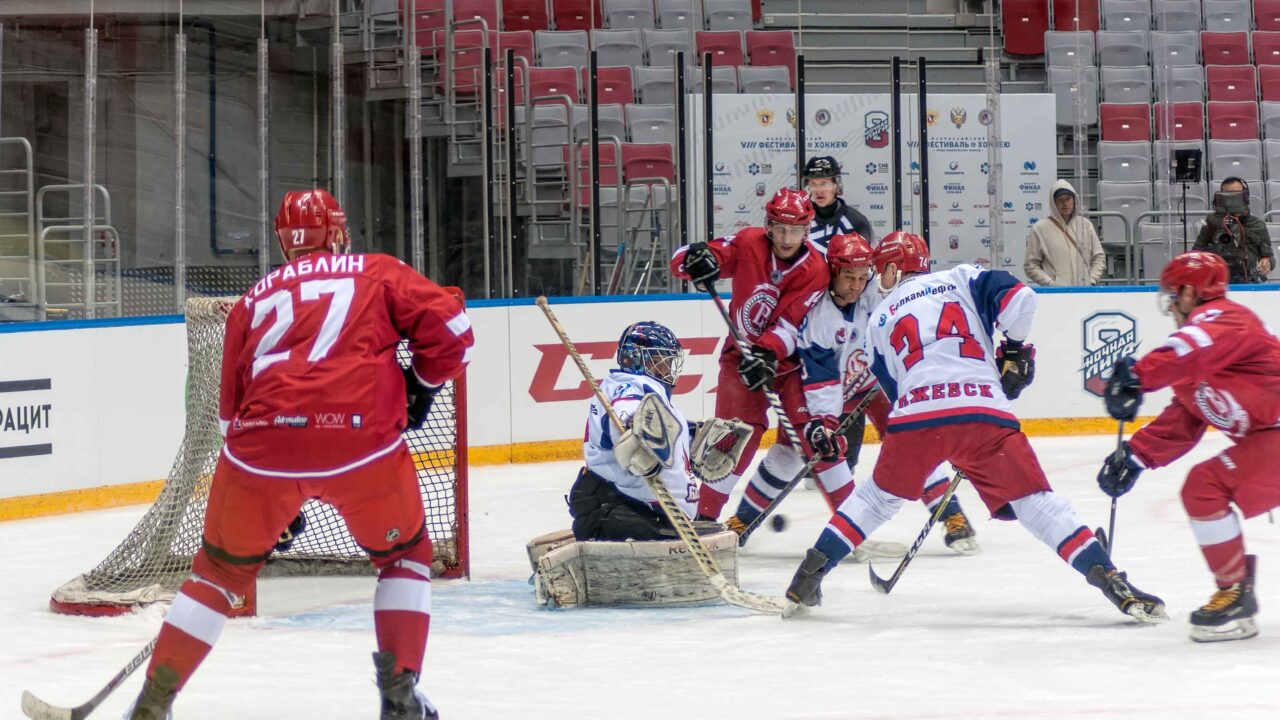
On October 9, 2026, Logan Stankoven took charge of the Canucks–Hurricanes game with the first hat trick of his NHL career, while Jake DeBrusk scored twice in a night the NHL’s highlight cut replayed period by period — because Carolina’s structure almost never gives up a story this simple.
That last clause is the point. The Hurricanes concede the fewest easy looks in the league by design: layers, backpressure, a forecheck that treats the neutral zone as a toll road. For Stankoven to keep finding the scoring areas Carolina protects — the soft ice between the circles, the back-door seams — he had to solve the league’s most coached defence repeatedly, at game speed, on a night when Rod Brind’Amour’s staff had a period and a half to adjust to him. First hat tricks come in two kinds: the opportunistic kind, three bounces in a blowout, and the authored kind, where a player bends a good team’s structure until it tells on itself. By the descriptions in the highlight cut, this was the second kind.
A first hat trick early in a season can change a player’s usage, because coaches trust what they have seen under pressure. The trust shows up in the margins that decide careers: the late-game shift with a one-goal lead, the second power-play unit promotion, the overtime tap. Stankoven leaves this game with those currencies in his pocket, and with the hats — the literal headwear collected from the ice — as the receipt.
What Carolina takes from it
Good defensive teams file nights like this as tuition: the film of how a 5-foot-8 scorer kept arriving where their coverage assumed he could not. NewsWibe’s Sports & Entertainment Desk will watch whether Stankoven’s usage climbs and whether Carolina’s structure answers its next finisher differently.
The hat-trick hats themselves will tell the dressing room something: fans throw them early in a season only for players they have decided to believe in.