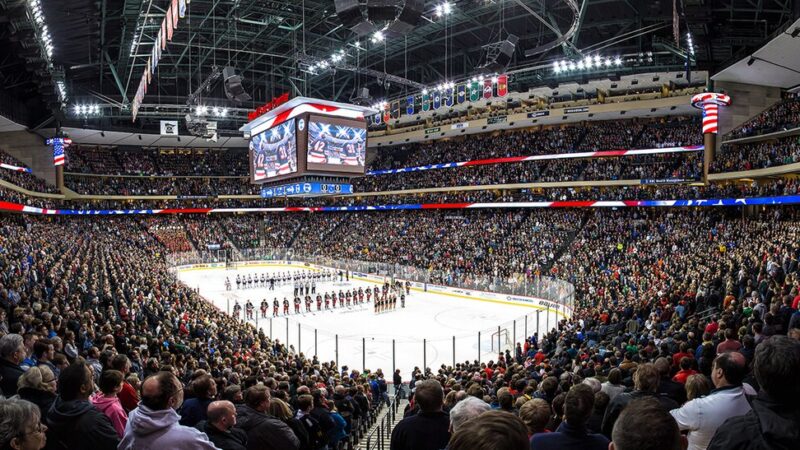
On October 9, 2026, the Minnesota Wild and Tampa Bay Lightning met in an Oct. 8 NHL highlight matchup that Sportsnet’s package framed, correctly, as a systems examination: a structured Wild team against a Lightning side built on skill, each trying to bend the game toward its own definition of order.
Minnesota’s identity under its current construction is discipline as offence — layers in the neutral zone, sticks in lanes, a team that treats the opponent’s transition game as a fire to be starved of oxygen. Tampa Bay’s core, which has played many of these early-season tests across two Stanley Cup cycles, prefers to turn structure into a puzzle it solves at speed: quick-ups, slot passes through seams other teams do not attempt, and a power play that functions as a tiebreaker in games the five-on-five play has balanced. When the game opens up, the advantage runs to Tampa’s finishers; when it compresses, Minnesota’s patience becomes a weapon. The highlight package — goals, saves, momentum swings rather than a single star’s performance — was the honest edit of that negotiation.
October points are the league’s most undervalued currency. The result of a game like this matters less in April than the clues inside it: whether Minnesota’s special teams can hold against elite power plays, whether Tampa’s goaltending depth survives the schedule’s first compression, and which of the two systems bends first when the third period tightens.
Early tests, long shadows
These October games look minor in April only if a team has wasted the points. Both of these clubs bank them by doctrine. NewsWibe’s Sports & Entertainment Desk will follow the Wild’s structure and the Lightning’s skill as the standings begin to sort themselves.
Coaches will take their real harvest from the unglamorous shifts: the second-period long change, the defensive-zone faceoffs after icings. Highlights recruit the fans; those shifts are where the two points were actually negotiated.