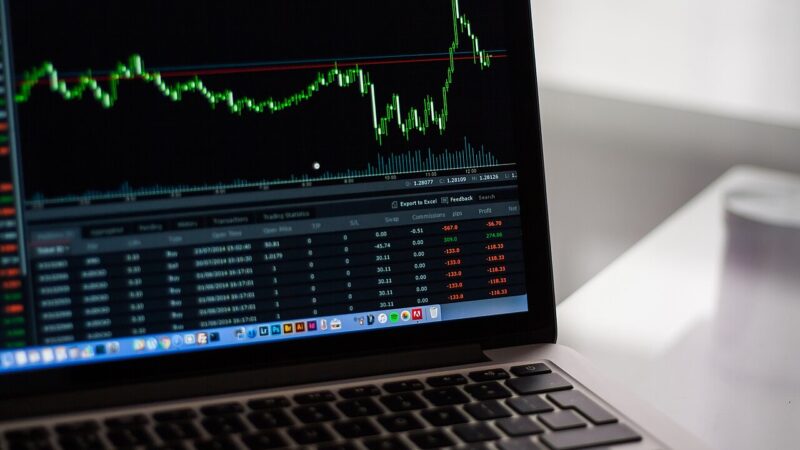
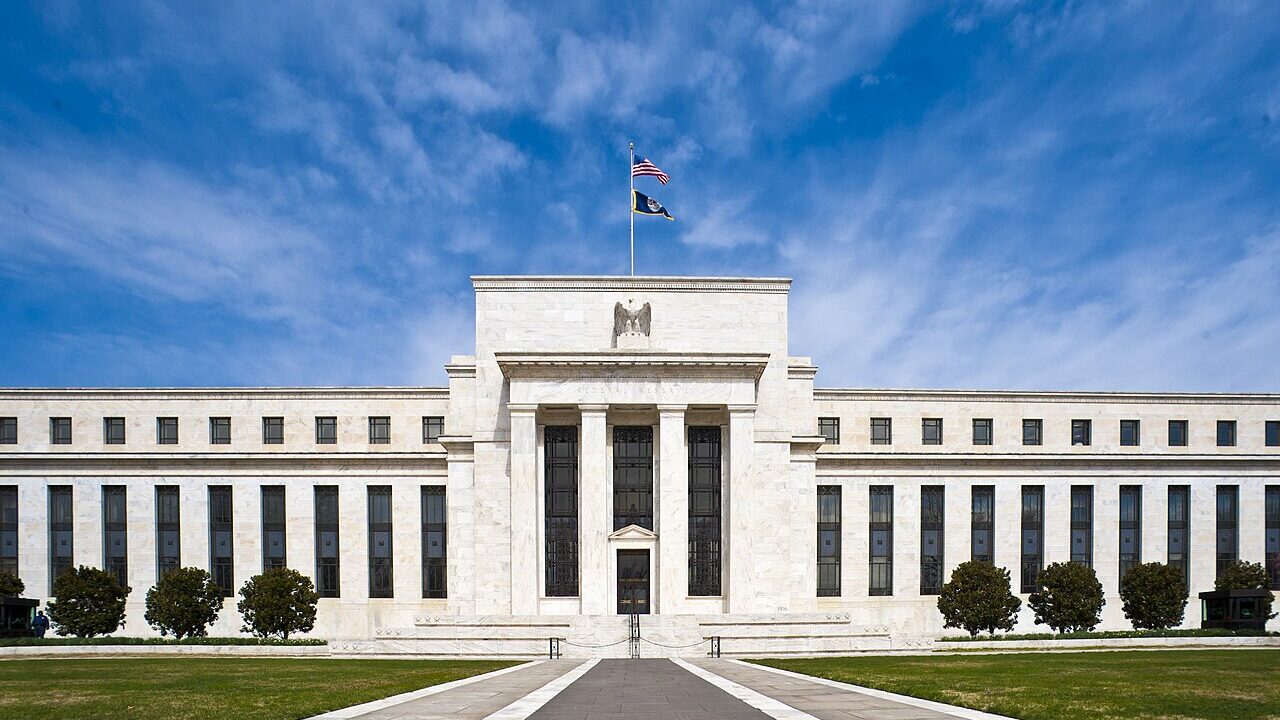
On October 9, 2026, minutes of the Federal Reserve’s last meeting showed most members considered another rate hike likely by year-end, though they would approach each meeting with an open mind — a formulation markets immediately translated into probabilities: 17 percent for a move this month, nearly 83 percent priced for December.
The minutes of a central bank are a negotiation published after the fact, and this one’s careful balance — “likely” against “open mind” — is the committee arguing with its own future data. Analysts at Goldman Sachs wrote that they expected a second Fed hike in December while seeing a strong chance the central bank ultimately concludes more tightening is unnecessary; that a single house can hold both views tells you what the minutes actually contain: a committee whose members agree on the direction of risk and disagree about its weight.
The debate is no longer whether inflation has fallen; it is whether officials fear declaring victory too early. The institutional memory of the 1970s — when the Fed stopped tightening at the first good news and bought a second, worse inflation — sits in every one of these meetings like an uninvited member. Against it stands the quieter risk: that policy kept restrictive for pride’s sake breaks something — a bond market, a banking system, a labour market — that did not need breaking.
December is the meeting now
With October priced out, the year’s argument concentrates into one December decision and the data arriving before it. NewsWibe’s Business & Technology Desk will track the prints that will move those odds.
The 17 percent for October, meanwhile, is the market granting the Fed its favourite luxury: the ability to be patient loudly. A committee that has convinced traders it will move in December can afford to watch two more months of data arrive before it has to prove anything.