
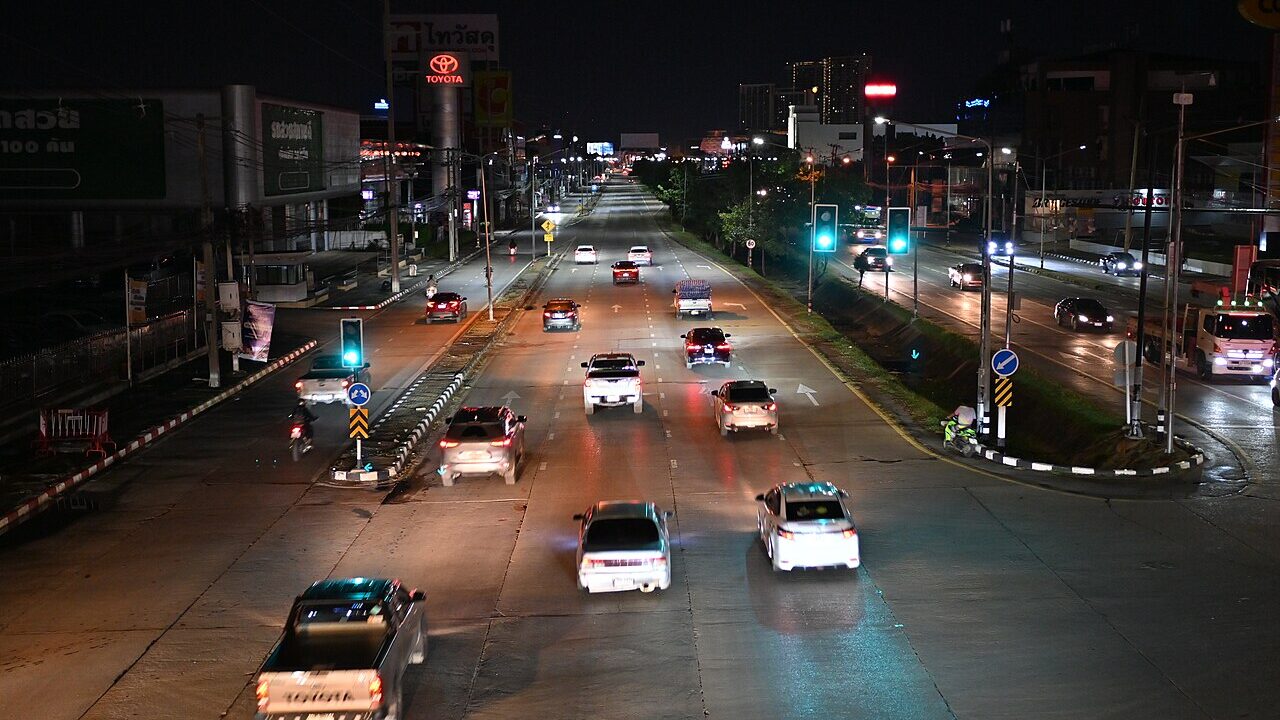
On October 9, 2026, Anurag Wankhade’s “Distorted Trap” premiered as an official lo-fi electronic video for night drives — atmospheric instrumental textures over chill beats, aimed at late-night listening and the quiet-focus playlists where a growing share of music now lives.
Independent artists increasingly launch songs as mood products first, and the design here is explicit: the video is made for headphones and city lights rather than a stage, for the passenger-seat hours when a city’s signage smears past and the right tempo can organise a whole night’s thoughts. Lo-fi’s economics reward exactly this use. A track engineered for focus and driving playlists is not chasing the three-minute pop window; it is applying for residence in the background of thousands of study sessions, commutes and 2 a.m. writing sprints, where it may be played daily for years by listeners who could not name its author — and stream steadily precisely because it never demands the foreground.
Wankhade’s welcome to listeners leans on that intimacy: some nights, the description argues, do not need a destination. It is a shrewd piece of positioning. Night-drive music sells a permission — to take the long way, to let the city be scenery — and a premiere video that understands its own use-case has done the hardest marketing work before the first beat drops.
The playlist is the venue
Whether “Distorted Trap” finds its playlists will be measured in saves and completions rather than comments; mood music succeeds silently or not at all. NewsWibe’s Sports & Entertainment Desk will track the release’s progress as independent platforms report their numbers.
The lo-fi sector’s quiet insight is that mood is a repeat purchase. Pop wins a week; a track that scores someone’s commute wins their year, and the algorithms of the focus playlists promote exactly that kind of staying power over first-day noise.





1 Comment