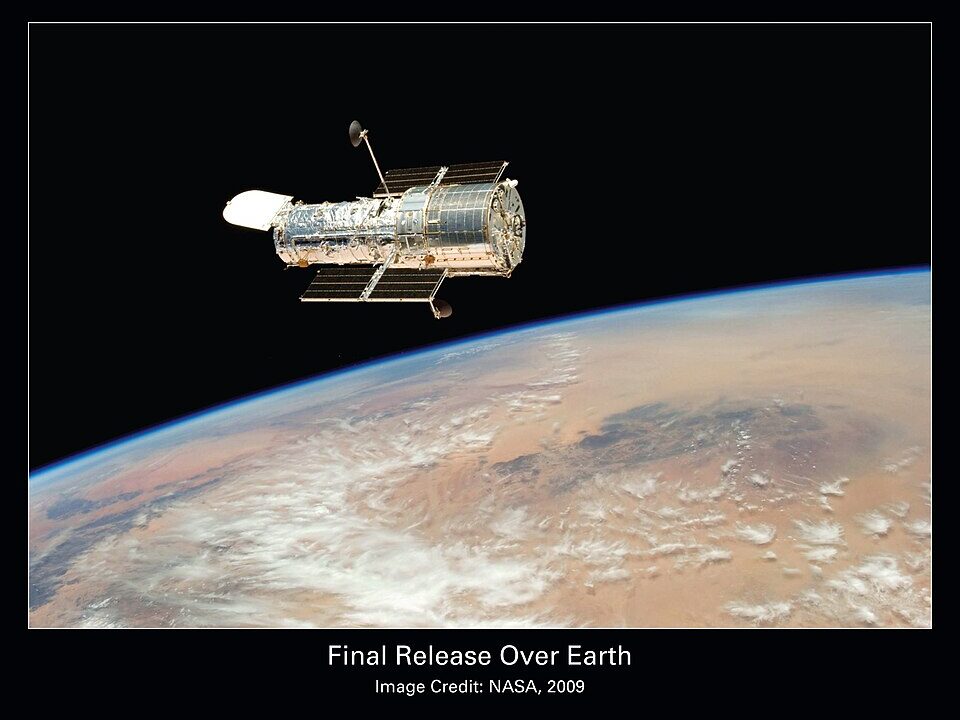
Astronomers digging through decades-old observations from NASA’s Hubble Space Telescope have uncovered evidence that a dead star may have given birth to a new planet, according to reports.
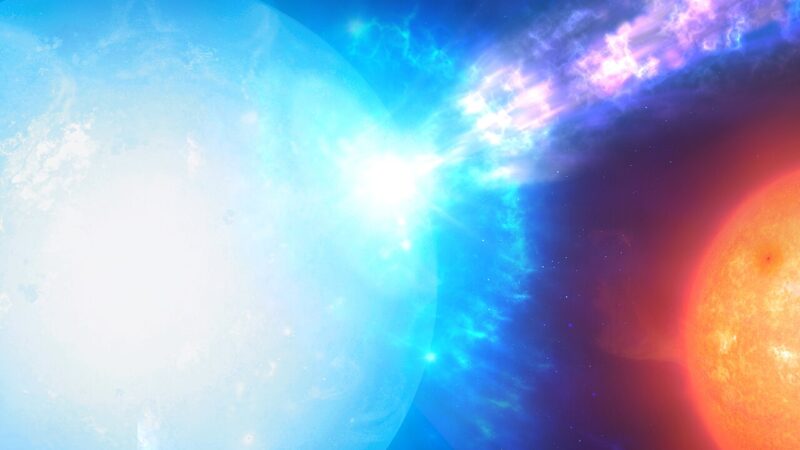
A study published October 5 in Nature Astronomy reports that the white dwarf HS 0209+0832 could be orbited by a so-called second-generation planet — a world that formed later, using material expelled by the dying star, rather than from the material present when the star was born. A white dwarf is the leftover core of a low-mass star that has exhausted its nuclear fuel and shed its outer layers into space.
The breakthrough came from an unusual chemical fingerprint hidden in Hubble observations collected more than two decades ago. According to the reports, the researchers found that the system’s chemical abundances are best explained by a planet that coalesced from the disk of expelled material surrounding the stellar remnant.
“Rather than the white dwarf stage being a kind of epilogue to the story of a star and its planets, this research points to the systems we are familiar with only being the first chapter of a potentially much longer tale,” the study’s lead author, doctoral candidate Jamie Williams of the University of Warwick, said.
Astronomers plan to keep studying the HS 0209+0832 system for further clues and to search other white dwarf systems in the archives — a hunt that could reveal more second-generation planets and rewrite the ending of stellar life stories.