
Health investigators in Ireland have linked the country’s largest recorded community MRSA outbreak to bouncy castles used at an outdoor gathering, with 48 children and teenagers developing skin infections, according to reports.
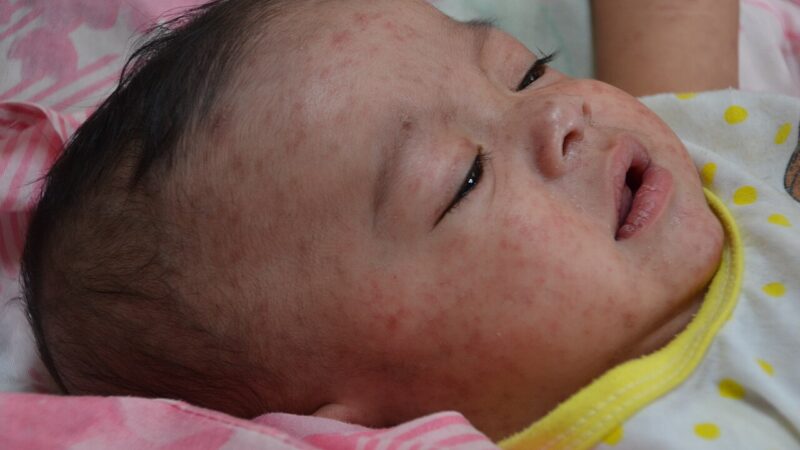
The cases involved children aged roughly five to 16. Most were treated by family doctors, while 15 attended a hospital emergency department or day ward and four were admitted to hospital. No deaths were reported. Symptoms most often appeared within a few days of the event and commonly affected the legs, with spots, redness, blisters and pus-filled lesions among the signs described.
Laboratory testing identified the same strain in confirmed cases, described as t016-ST22-MRSA-IV. Investigators said it produced a toxin associated with more severe skin infections and showed resistance to several antibiotics, while remaining susceptible to a number of other treatments available to clinicians.
Almost every infected child had played in the inflatables, many for several hours. The event was warm, humid and wet, with crowded, rough-and-tumble play that can cause small skin abrasions. The one case who had not used the castles had close contact with another child who had, supporting the conclusion that the shared play equipment was the most plausible route.
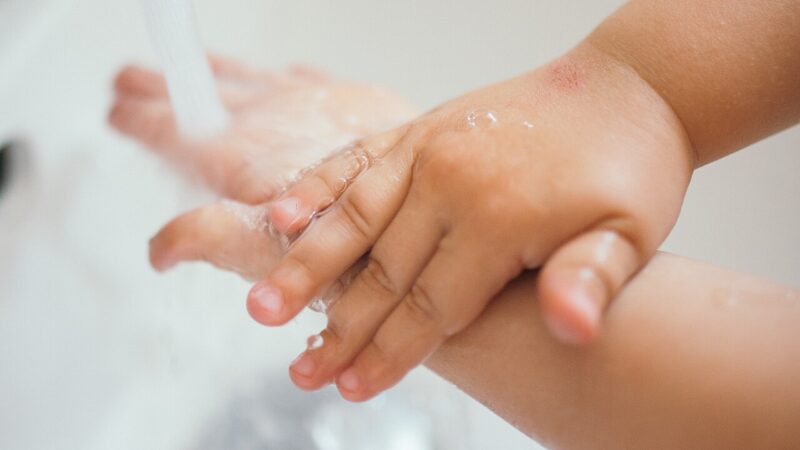
Officials advised thorough decontamination of the equipment rather than relying on surface testing after the event. For parents, the practical guidance is to cover cuts before play, wash afterwards, avoid sharing towels, and seek medical advice promptly for painful, spreading or pus-filled skin lesions, especially with fever.
MRSA is a form of staph bacteria that does not respond to some commonly used antibiotics, which can make infections harder to treat if they are not recognised early. Community cases are different from hospital outbreaks, but crowded activities with close physical contact, shared surfaces and minor skin damage can create conditions where transmission is more likely, particularly when many children spend a long time in the same enclosed space.
Investigators were careful to note the limits of their work. They did not swab the castles afterwards, reasoning that a result at that stage would not prove the original source and that the bacteria might no longer be present. Their conclusion rested instead on interviews, timing and the pattern of cases. Public health advice focused on cleaning, covering wounds and early treatment rather than alarm, with the outbreak described as a reminder for event organisers to include hygiene in safety planning alongside supervision and equipment checks.