
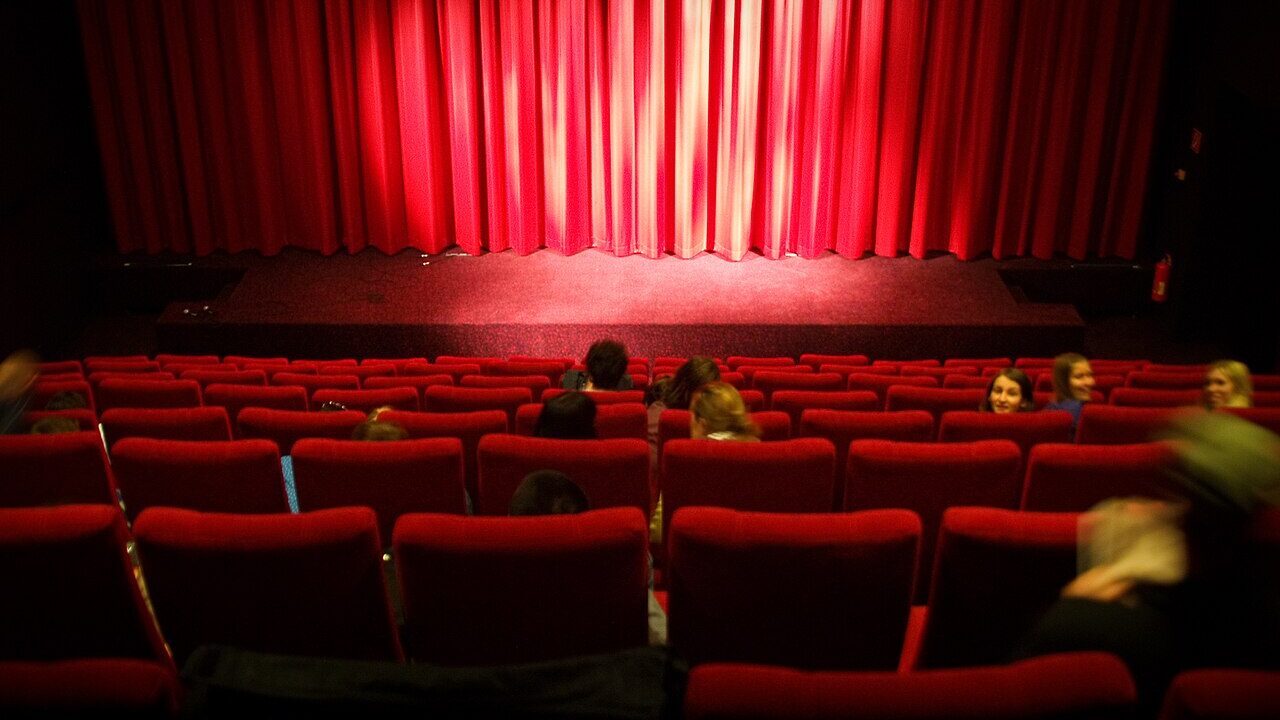
On October 9, 2026, “IFIHAN” began showing in cinemas after an official trailer campaign that sold audiences a date and a title well before it offered a plot — a bet, now being settled at box offices, that curiosity and local conversation can carry a film further than paid media.
The strategy is a recognisable economy. Big releases buy awareness over months, teaching the market what a film is before asking for a ticket. A trailer-led opening inverts the spend: almost everything rides on whether the people who see the trailer become the campaign — forwarding it, arguing about it, organising Friday night around it. Community networks move at speeds advertising cannot buy, but they move only for films that give them something to carry: a mystery the trailer withholds, a face the neighbourhood recognises, a premise that survives being described in one sentence at a tea stall.
Exhibitors read this kind of opening with a actuary’s calm. Screens are allocated on per-show occupancy, and a small film that fills its first weekend earns the second week’s screens that were never promised it; one that opens quietly is rotated out before word of mouth has time to assemble. By Monday, the trade will know whether the bet produced queues or only views — views being the metric the film already had, and queues being the one that pays the cinema’s rent.
The word-of-mouth ledger
For the producers, the campaign’s second phase now begins whatever the numbers: converting opening audiences into recommenders before the next release takes the screens and the conversation. NewsWibe’s Sports & Entertainment Desk will note the opening figures and the film’s second-week hold as exhibitors report them.
There is an honourable history to this gamble: some of the industry’s most durable hits began as films nobody could describe in advance. The trailer-led opening is simply that history run deliberately, with the audience hired as the media department and paid in the pleasure of discovery.





1 Comment