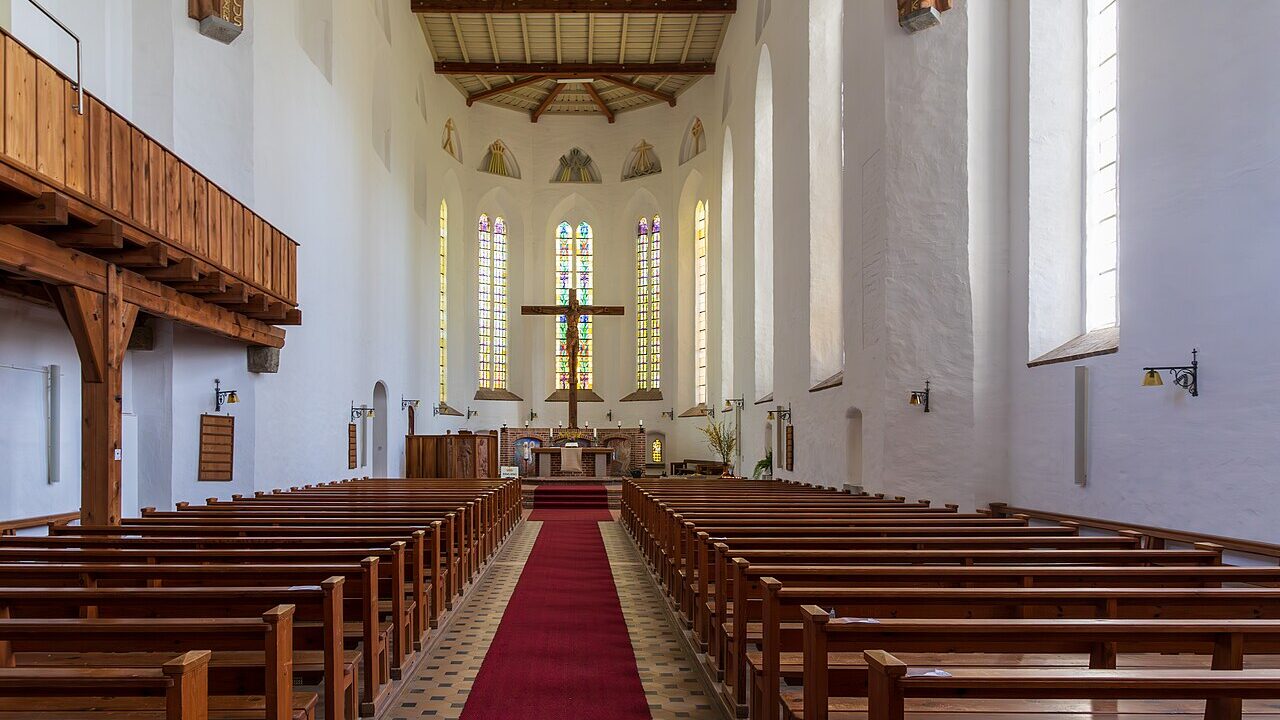
On October 9, 2026, Quiapo Church’s official daily Mass for Friday was streamed live from Manila for devotees who could not attend in person — one service in a now-continuous broadcast ministry at one of the Philippines’ most visited shrines.
Quiapo is the home of the Black Nazarene, and its congregation has never been only the people inside the building; the devotion radiates through the district’s streets and, for generations of overseas Filipino workers, through whatever medium reaches them. The livestream extends a familiar parish practice into a digital queue: Mass intentions, once written on slips at the church office, are now invited through an online form, so a seafarer in the Gulf and a nurse in Toronto can place a mother’s name on the same day’s intentions as the parishioners in the pews. Religious livestreams now function as both ministry and archive — the same hour shared across time zones, and a record that remains after it.
The remarkable part is how little the form changed. Readings, homily, intentions, blessing: the stream adopted platform habits — schedules, notifications, replay — without surrendering ritual structure, because the ritual was the product. Churches that treated streaming as an emergency measure discovered a permanent congregation that had never been able to attend; Quiapo’s numbers suggest the digital pews are now simply pews.
Devotion at platform scale
For the Philippine church, the question the streams pose is pastoral rather than technical: how a parish shepherds a congregation it cannot see, count or collect from, spread across forty countries’ time zones. NewsWibe’s Sports & Entertainment Desk will note the church’s streaming schedule through the major feasts, when the online congregation reaches its peak.
The intentions form deserves its own footnote in the history of prayer: a queue, moderated and timestamped, carrying requests from fishing boats and hospital wards into the same Mass. The technology is new; the impulse it serves is among the oldest the parish knows.