On October 9, 2026, Reuters polling put President Trump’s approval at record lows on the economy and war ahead of the Nov. 3 election that will decide control of Congress — with one in four Republicans disapproving of his handling of the economy, alongside 63 percent of independents and 92 percent of Democrats.
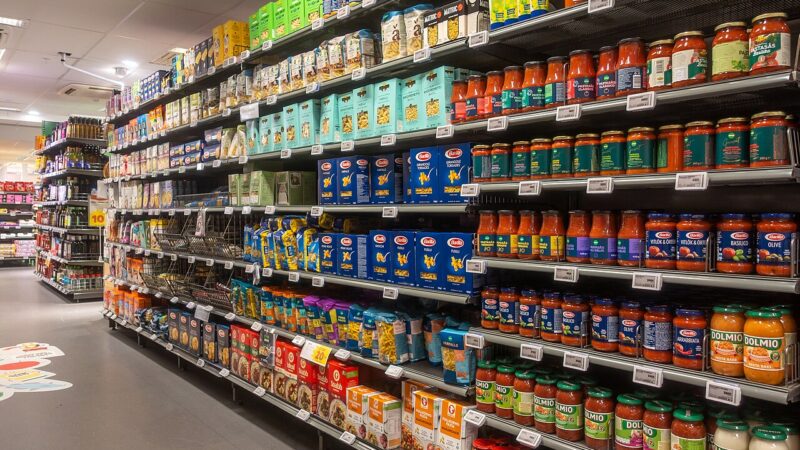
The Republican number is the story inside the story. Presidential approval in a polarised era usually behaves like a floor: the base grumbles and stays. One in four of the president’s own party marking his economic management down, a month before a midterm, describes something else — a cost-of-living verdict being delivered by voters who agree with the administration on much of the rest of its programme. It is being filtered, as the polling suggests, through the most concrete experiences in American life: grocery bills, tariffs arriving as shelf prices, energy costs. Midterms often punish the president’s party on reflex; this one is being graded on receipts.
Both parties will talk about the future, but the poll suggests voters are grading the present, and the present is priced in dollars. For the White House, the remaining calendar offers few levers that move those prices before November; for the opposition, the temptation is to make every race a referendum on the checkout line and let the president’s own coalition do the persuading.
The independents’ ledger
At 63 percent disapproval among independents — the voters who decide competitive districts — the economy has stopped being the administration’s argument and become its exposure. NewsWibe’s World & Politics Desk will track the polling into election day.
There is time, in theory, for the numbers to soften; approval on the economy has recovered before on nothing more than cheaper petrol and a quieter news month. The calendar, though, is the argument against rescue: four weeks is an eternity in politics and no time at all in prices.