On October 9, 2026, a Reuters/Ipsos poll found some 78 percent of Americans blame President Donald Trump’s policies for prices rising faster than earnings — with majorities of Republicans and Democrats alike naming cost of living their top concern, and 57 percent of the president’s own Republicans saying costs are growing faster than paychecks.
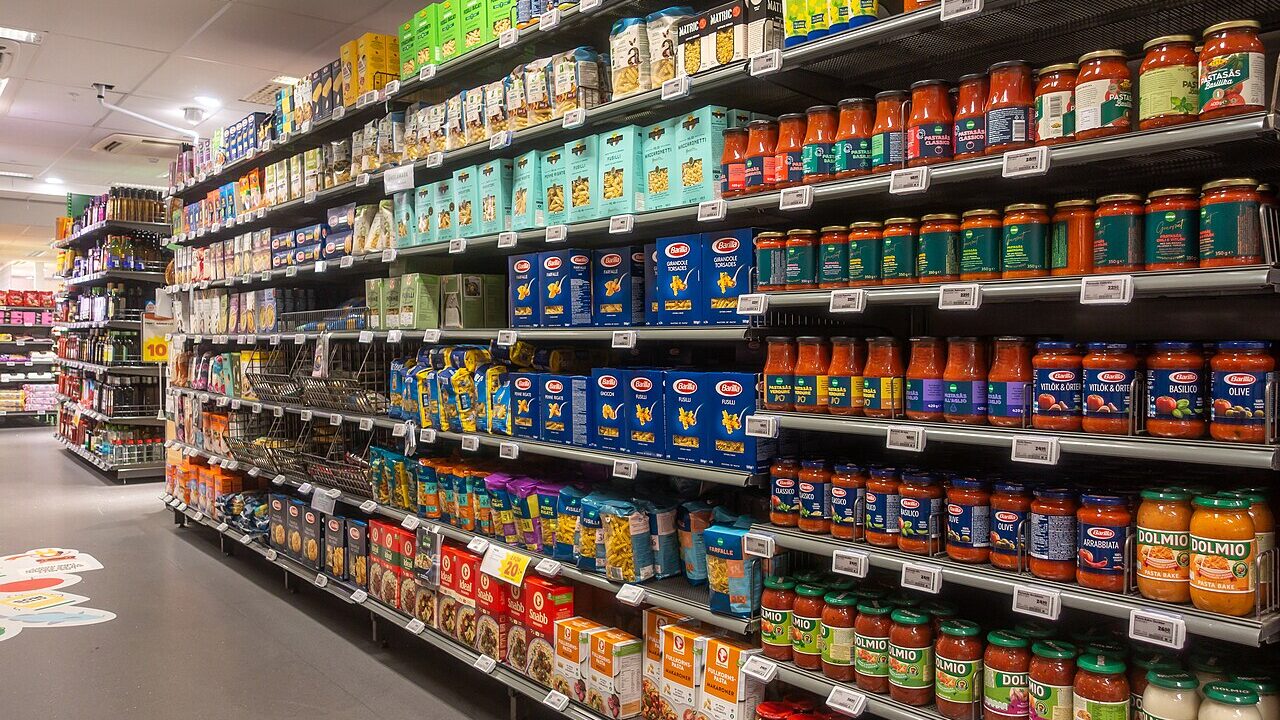
Numbers like 78 percent barely occur in American polling on any subject that permits a partisan answer; when they occur on prices, they describe a consensus, not a controversy. Prices are the one economic statistic every citizen collects personally, daily, without instruction from the Bureau of Labor Statistics — at the pump, the checkout, the rent portal — and the poll’s cross-party structure says the collection has reached the same total in households that agree on nothing else. The poll found approval on the economy especially weak among independents, the voters most likely to decide competitive districts, with the Nov. 3 election set to determine control of Congress.
For the White House, the arithmetic is brutal: a president can survive being blamed for prices by the other party; being blamed by 57 percent of his own, on the record, a month before a midterm, converts the economy from platform to liability. For the opposition, the poll is an instruction to keep every argument priced in dollars and let the grocery receipt make it.
The argument every policy must survive
Prices have become the argument every other policy must survive — and, per this polling, most are not surviving it. NewsWibe’s World & Politics Desk will track the cost-of-living numbers into election day.
The White House will note, correctly, that presidents do not set prices; voters will note, equally correctly, that presidents claim credit for them when they fall. The asymmetry is not unfairness. It is the job description, priced in every four years.
Strategists in both parties can read the same table: the election is a month away, and the argument has already been chosen for them by the checkout line.