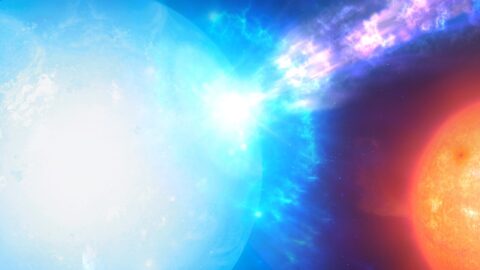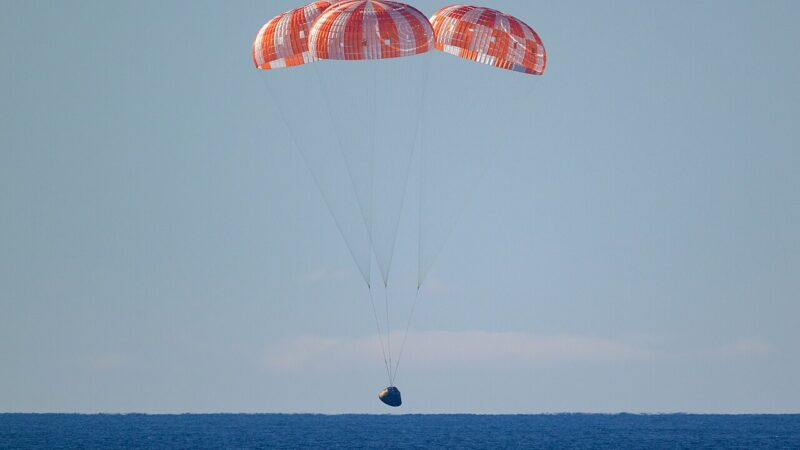
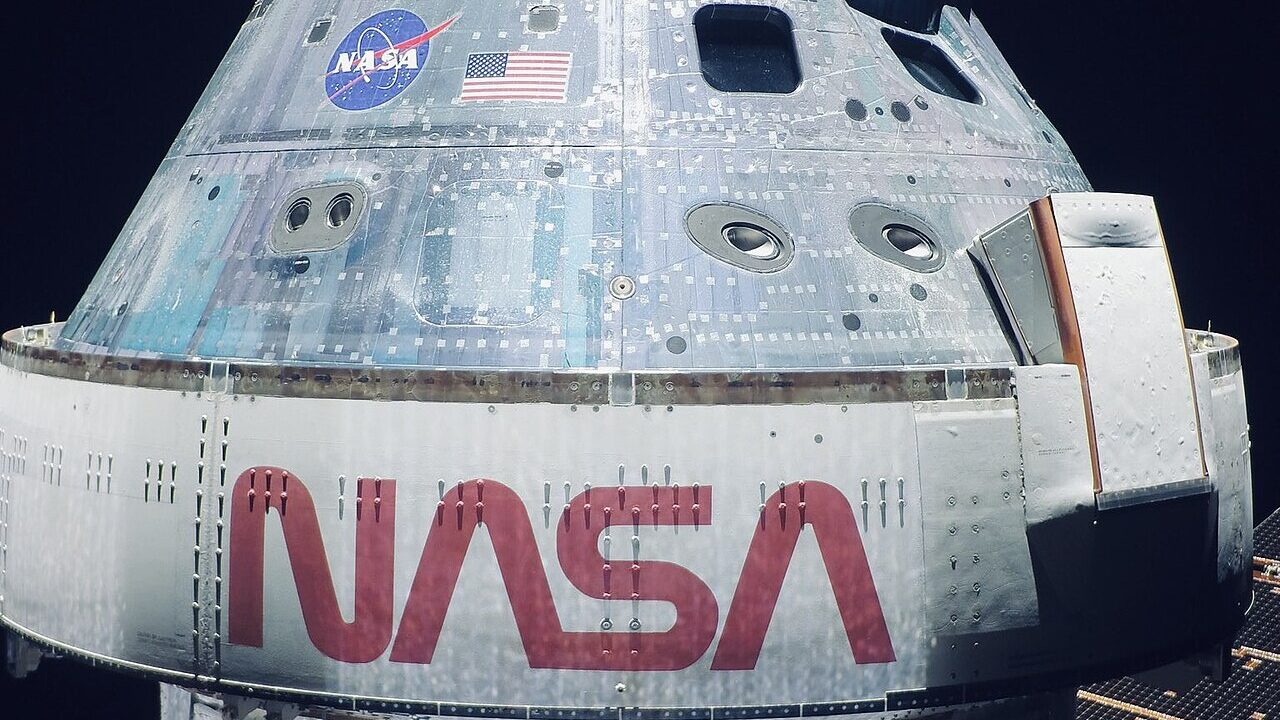
On October 9, 2026, NASA’s official mission animation walked through Artemis II end to end — liftoff at Kennedy Space Center, the crewed loop around the Moon, and splashdown in the Pacific — turning an approximately ten-day flight plan into a sequence the public can rehearse before the crew flies it for real.
Animations are not decoration in human spaceflight; they are instruction. Artemis II is the first crewed flight test of the Space Launch System rocket and the Orion spacecraft together, and almost nobody outside the programme can hold its choreography in their head unaided: the solid boosters’ separation, the core stage’s fall, Orion’s trans-lunar injection burn, the free-return loop that uses the Moon’s gravity as a slingshot home, the high-velocity reentry that tests the heat shield at energies Apollo would recognise. A mission animation teaches the order of events so that, on flight day, millions of viewers can tell a nominal call from an anomaly by whether the picture matches the plan.
That is also expectation management of the most useful kind. Spaceflight communicated only in telemetry plots belongs to engineers; the same flight rendered as a visual plan becomes a public document — the standard against which the real broadcast will be judged, phase by phase, when the spacecraft flies the route itself.
The rehearsal before the rehearsal
Flight crews themselves train against visualisations of exactly this kind, and mission control’s commentary will lean on the animation’s grammar when the real images are ambiguous. When Artemis II flies, the animation does not become obsolete; it becomes the caption. NewsWibe’s Health & Science Desk will follow the mission’s milestones against the plan as NASA works toward launch.
NASA learned the value of the visual plan in the Apollo era, when animated sequences taught television audiences to follow along. The medium is now interactive, but the function is unchanged: a mission the public can rehearse is a mission the public can judge, milestone by milestone.