
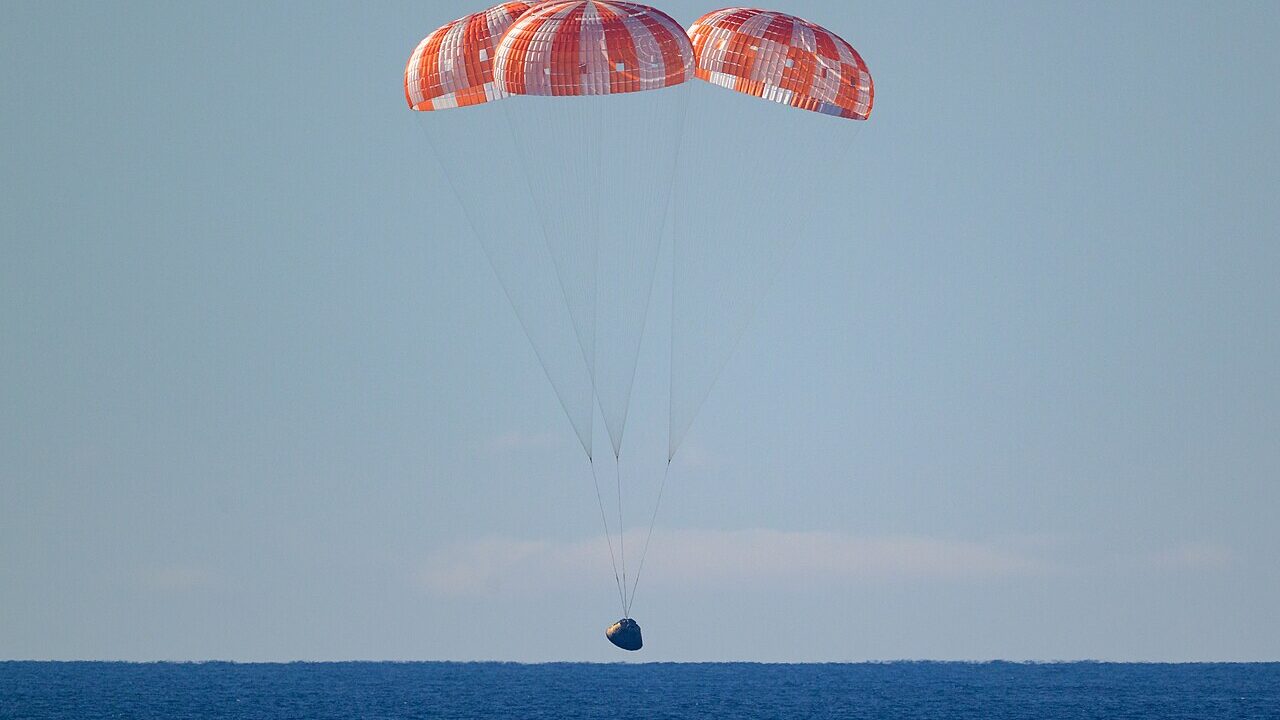
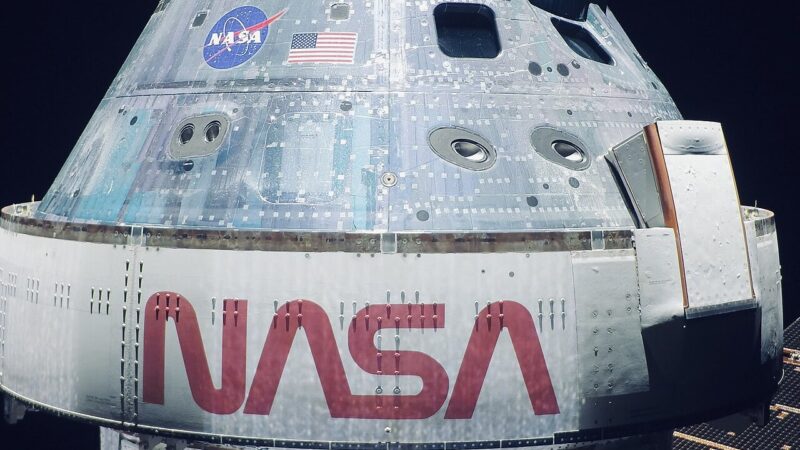
On October 9, 2026, a full-length Artemis II reentry video was drawing attention for what it adds to the visual record: the crew’s own voices, paired with the spacecraft’s return sequence from Moonset to splashdown.
The source material, credited to NASA and the Johnson Space Center, carries timestamps for the milestones — Earth coming into view, Moonset, the reentry interface, service-module breakup, parachute deployment, splashdown. Anyone can now align what the capsule’s cameras saw with what its occupants said at the same seconds. That synchrony is the document’s scientific and historical value. Telemetry records what the spacecraft did; cabin audio records what the work felt like — the callouts, the checklists, the workload rising through the plasma blackout and easing as the drogue parachutes fired. Future researchers studying how crews perform under reentry stress will not have to guess at the human tempo of the event.
There is precedent for how much this matters. Apollo’s air-to-ground loops became primary sources for historians precisely because they preserved judgement in real time, including the jokes and the silences. A crewed programme that publishes its cabin record is making a deliberate deposit in that archive — evidence that the mission’s most powerful computers were accompanied, at the decisive minutes, by four people thinking out loud.
Less highlight reel than primary document
The video’s audience will include the engineers of the next capsule, who will mine it for the gap between procedure as written and procedure as flown. NewsWibe’s Health & Science Desk will note the analyses and documentaries built on the footage as they appear.
The pairing of voice and image also disciplines future storytelling. Documentaries built on this record will not be able to invent the crew’s composure or their strain; both are on tape, timestamped, awaiting editors honest enough to keep them.
It is, in the end, how the mission will be remembered when the telemetry is archived: not as plots, but as people.



1 Comment