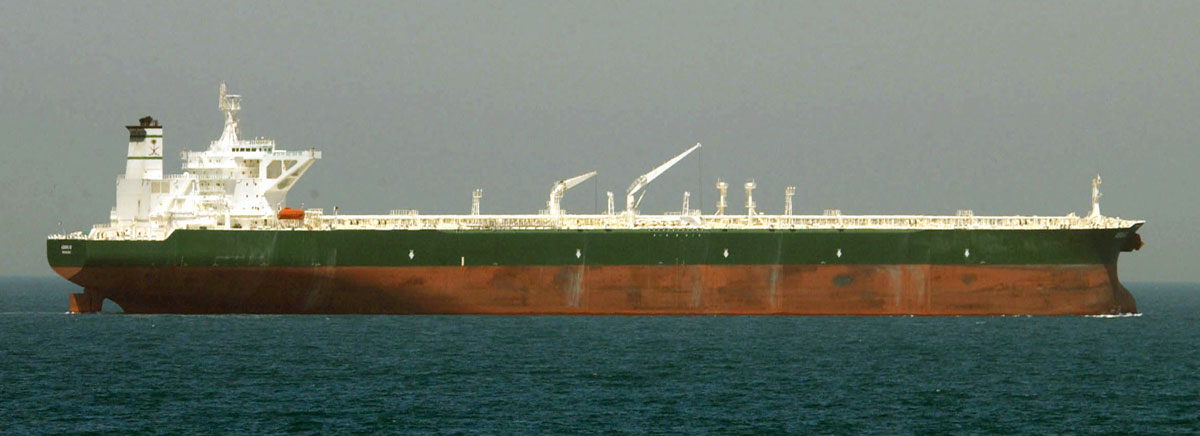
An outbound tanker was struck on its port side by an unknown projectile in the Strait of Hormuz, starting a fire, according to reports — the latest incident in a rapidly escalating confrontation over one of the world’s most important energy chokepoints. The crew was reported safe.
The strike came hours after United States Central Command disabled the Panama-flagged cargo vessel M/V Ocean Molica in the Gulf of Oman for allegedly attempting to run the American blockade of Iranian ports. According to reports citing United Kingdom Maritime Trade Operations data, CENTCOM has now disabled four commercial vessels and turned around 135 since the blockade resumed in July, while destroying ten tankers linked to Iran’s shadow fleet. Iranian sources separately claimed a tanker had struck one of their naval mines.
A waterway under pressure
Roughly a fifth of global petroleum liquids moves through the Strait of Hormuz, and even partial disruption carries an outsized price tag: benchmark Brent crude was trading around $106 a barrel in late New York trading on Monday. Insurers, routing planners and product markets are all repricing risk, even as some crude volume continues to move under escort. The weekend also saw Houthi projectiles strike King Khalid International Airport in Riyadh twice, killing at least fourteen people across the two attacks and closing the airport.
Washington has moved a third aircraft carrier strike group into the region, and the administration has said it is weighing whether to join the conflict on the Saudi side. Tehran, for its part, has largely shut down the strait in retaliation for the US campaign while continuing to offer negotiated off-ramps, according to regional reporting.
Diplomacy races the clock
The Organisation of Islamic Cooperation is expected to convene on Wednesday at the request of Palestine and Iran to discuss the regional crisis, while the UN rights chief has urged all parties and influential states to act urgently to de-escalate what he called a very precarious situation. Whether commercial shipping can keep moving — and at what insurance cost — will be the market’s real-time verdict on whether deterrence is holding. As compiled reporting on the weekend’s incidents shows, attribution for the latest strikes remains contested. Our earlier coverage of Hurricane Isaias’s Gulf Coast approach and the strain on Ukraine’s air defences tracks the same pattern of infrastructure under pressure.